
There’s something magical about a wood rocking chair on a front porch that just feels like home. Whether you’re looking to restore a family heirloom or create a brand new look, rocking chairs add charm and character to any outdoor space.
For more warm and inviting setups, these cozy spring porch ideas are worth exploring.
For a cozy front porch moment, I love styling a wooden rocking chair with outdoor cushions to make it feel both comfortable and inviting!
Let’s explore some wonderful ways to make your wood rocking chair the star of your porch!
Vintage Rocking Chair
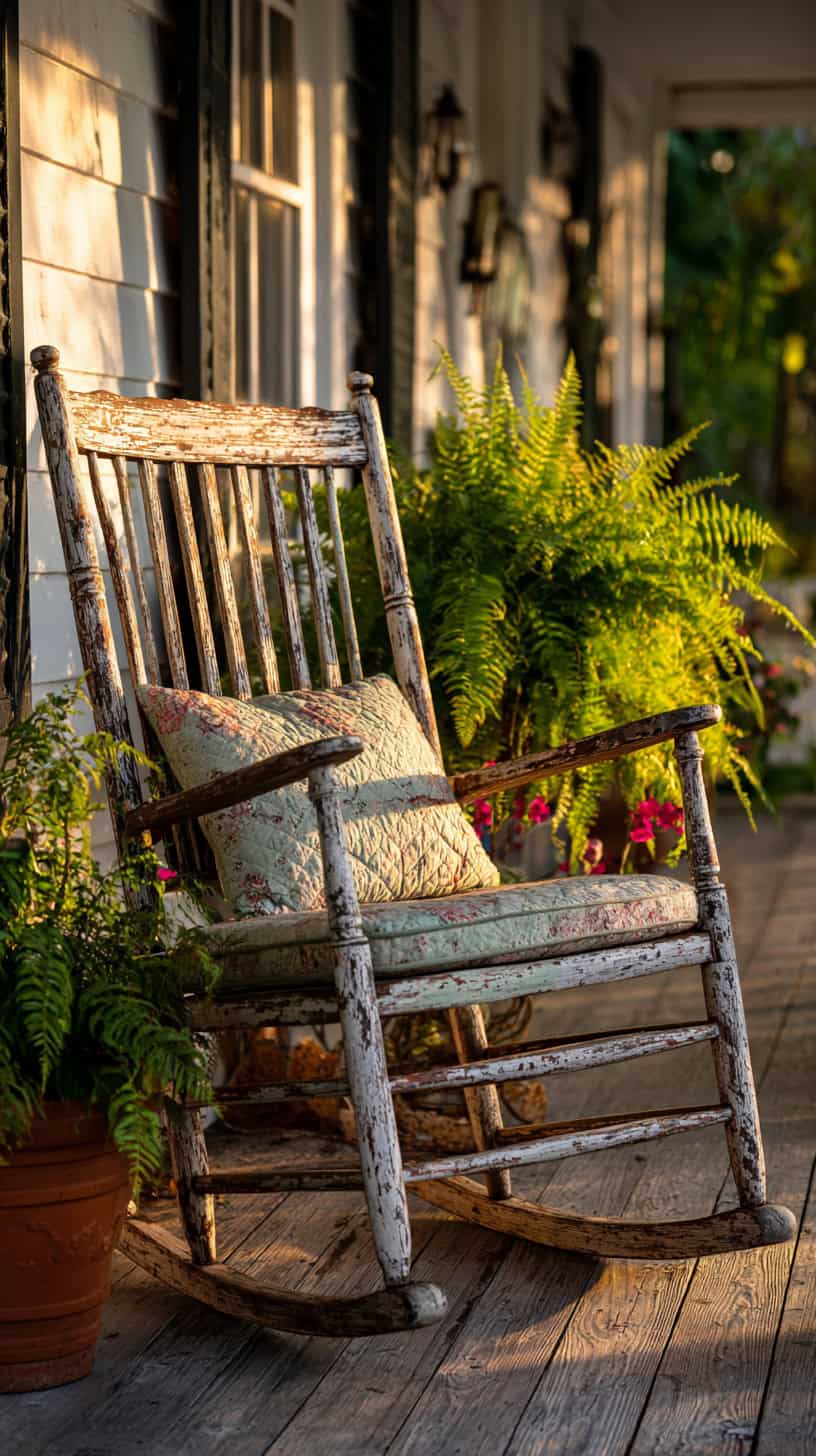
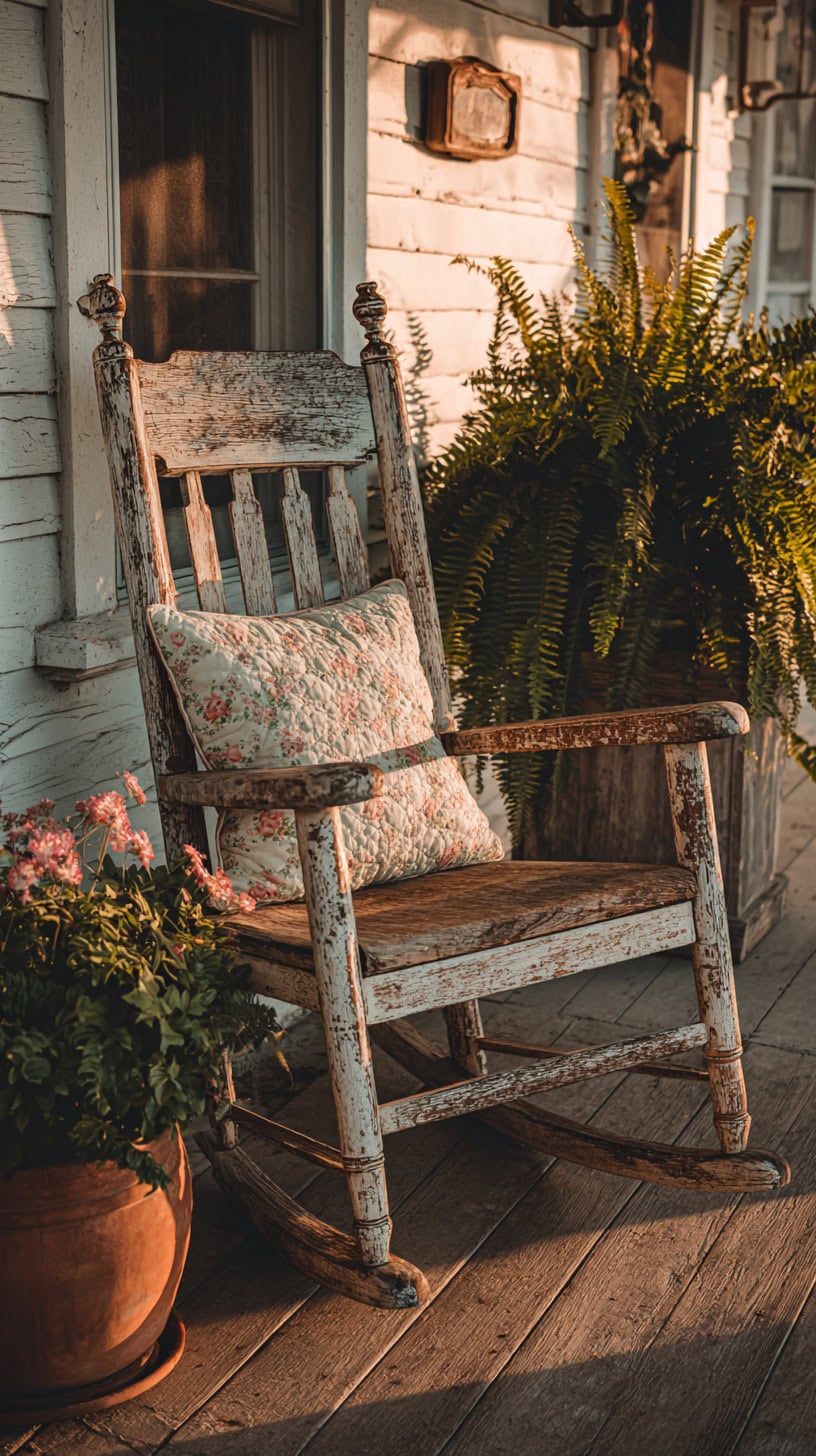
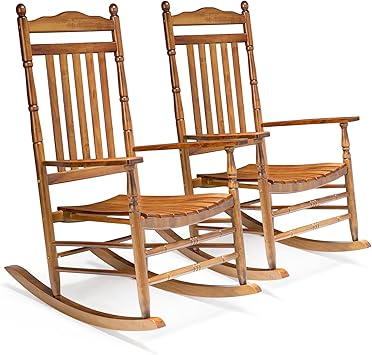
A vintage rocking chair brings instant character to your front porch. These beauties from decades past feature unique craftsmanship you just can’t find in modern pieces. Look for chairs with spindle backs, curved armrests, and worn paint that tells a story. You can find vintage rocking chairs at estate sales, antique shops, and online marketplaces. The patina and gentle wear only add to their appeal, creating that lived-in, welcoming feel we all love. I always say the best vintage rockers have a little wobble and a lot of history! Pair your vintage rocking chair with a cozy quilted cushion and a few potted plants nearby. The combination of old wood and fresh greenery creates a perfect balance. These chairs work beautifully with farmhouse, cottage, or traditional porch styles, and they’re conversation starters for sure.
Modern Rocking Chair
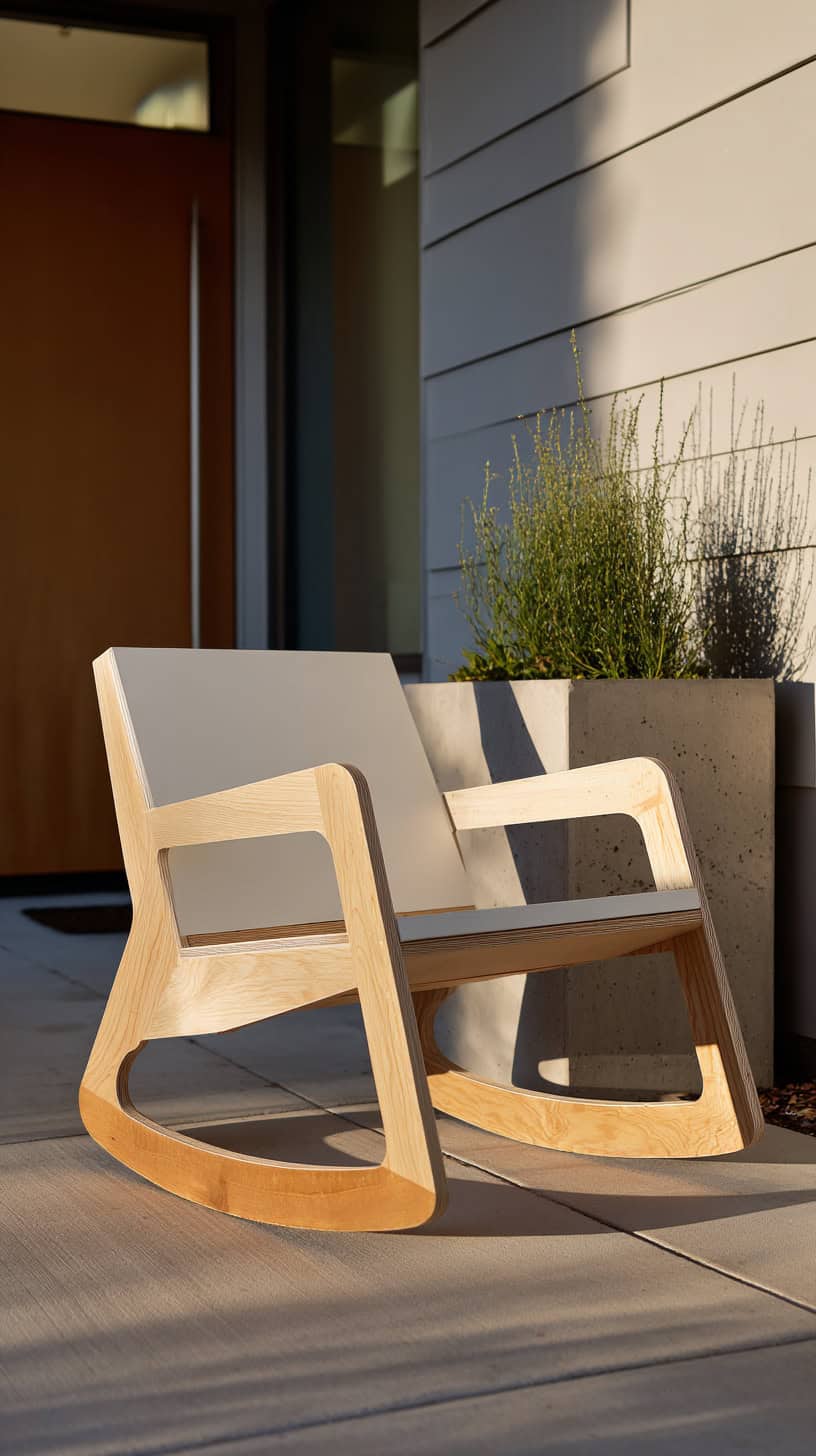
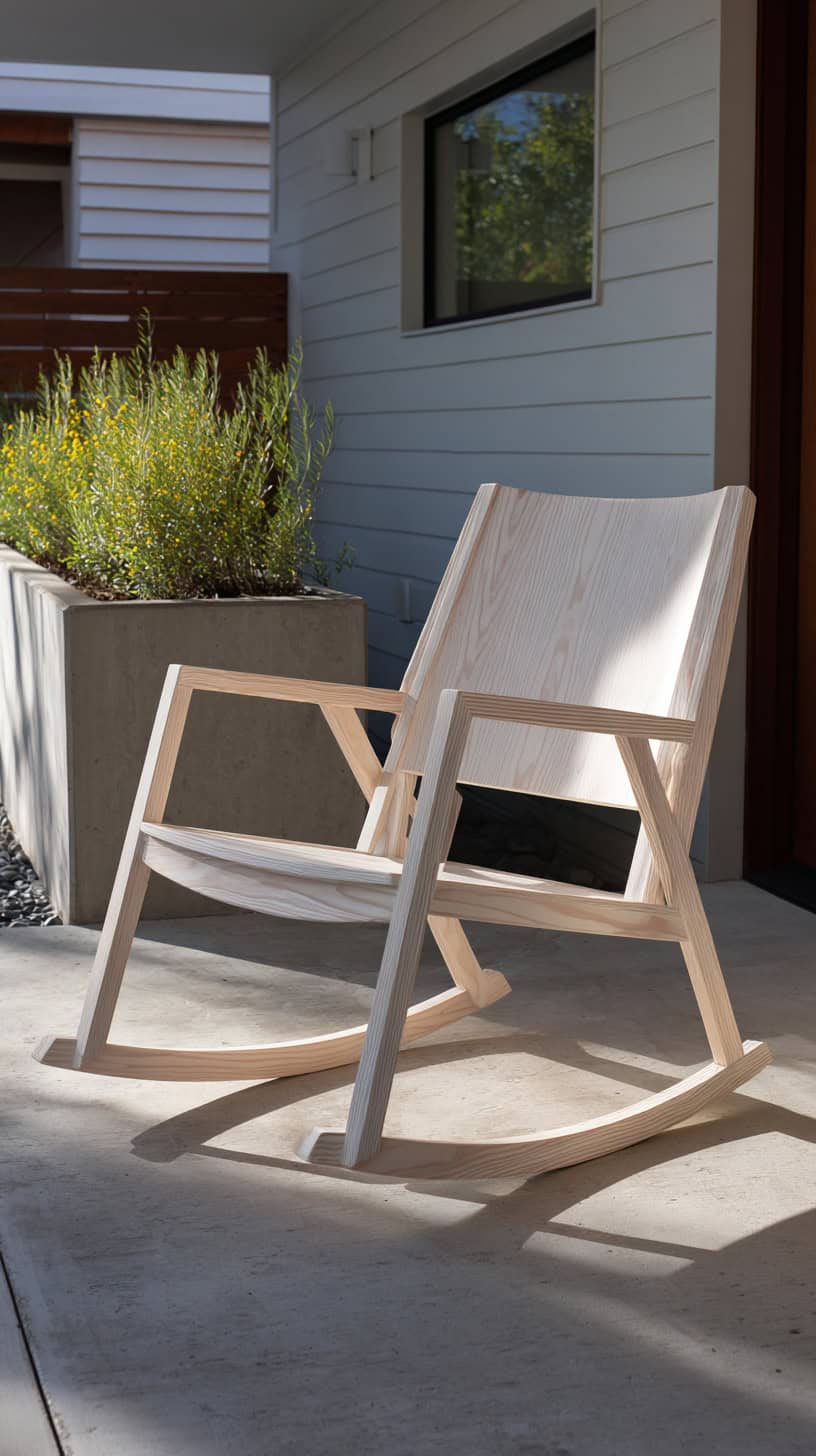
Modern rocking chair designs prove that this classic furniture piece can absolutely work in contemporary spaces. Clean lines, minimalist shapes, and sleek finishes define the modern rocking chair aesthetic. Look for designs with smooth curves, geometric elements, and simple silhouettes that feel fresh and current. Many modern versions feature lighter woods like ash or birch, or even painted finishes in crisp white or charcoal gray. The beauty of a modern rocking chair is how it bridges traditional comfort with updated style. These chairs pair wonderfully with concrete planters, metal house numbers, and contemporary outdoor lighting. If your home has a modern farmhouse or Scandinavian vibe, this style is perfect for you. The simplicity means they’re easy to incorporate into various color schemes and design themes without overwhelming your porch space.
Old Rocking Chairs
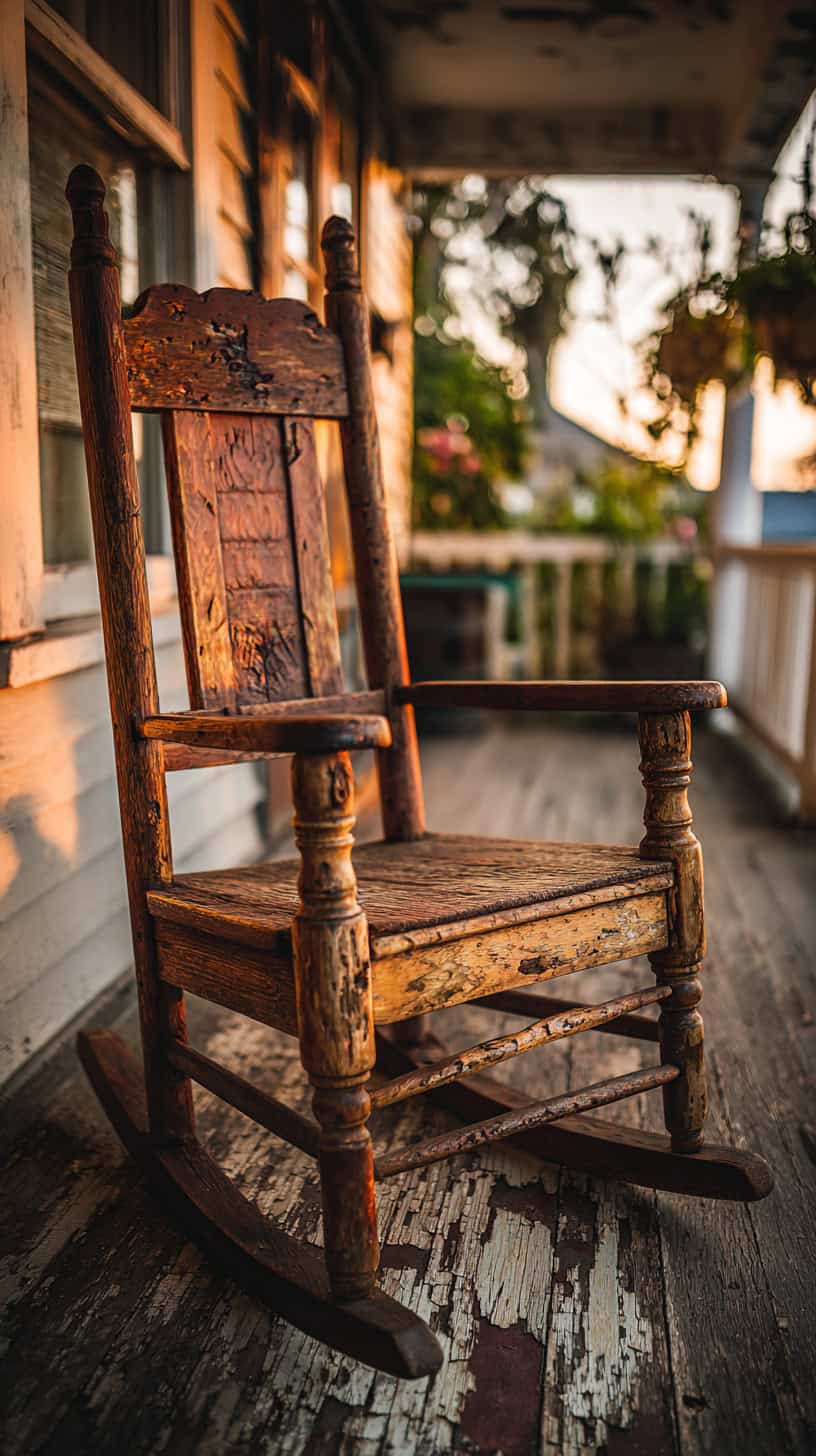
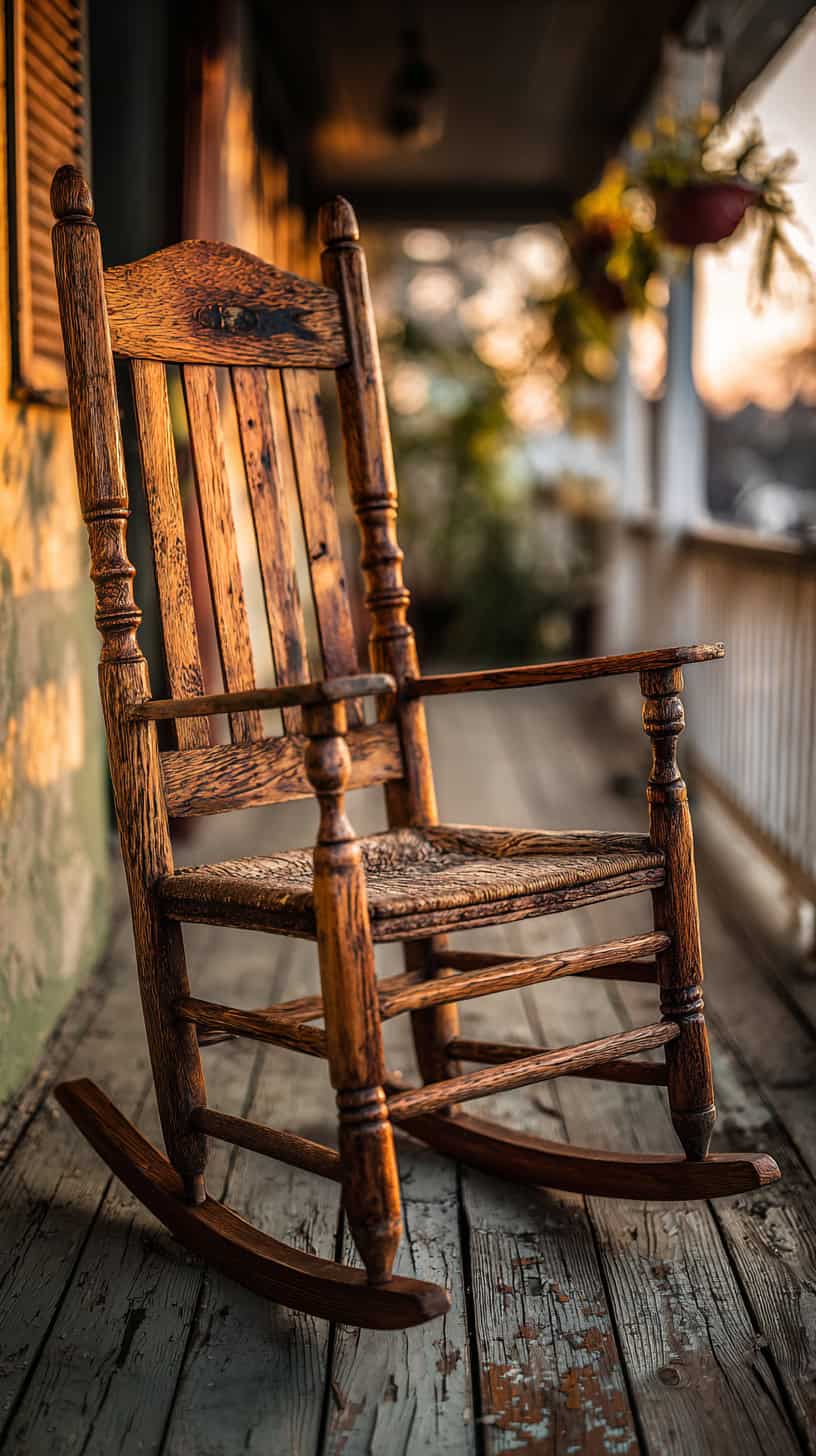
Old rocking chairs carry memories and stories that new furniture simply cannot replicate. Maybe you inherited Grandma’s rocker or found one at a yard sale that needed some love. These chairs often feature solid construction that has lasted generations, proving their quality and durability. The wood on old rocking chairs develops a beautiful patina over time, with natural darkening and character marks that add depth. Don’t be afraid to embrace the imperfections; they’re part of the charm! Small scratches, slightly faded finish, and gentle wear from years of use make each old rocking chair completely unique. Before using an old rocking chair, check the joints and runners to ensure safety. Tighten any loose screws and apply wood glue where needed. With a little care and attention, these treasured pieces can serve your family for many more years to come.
Antique Rocking Chairs
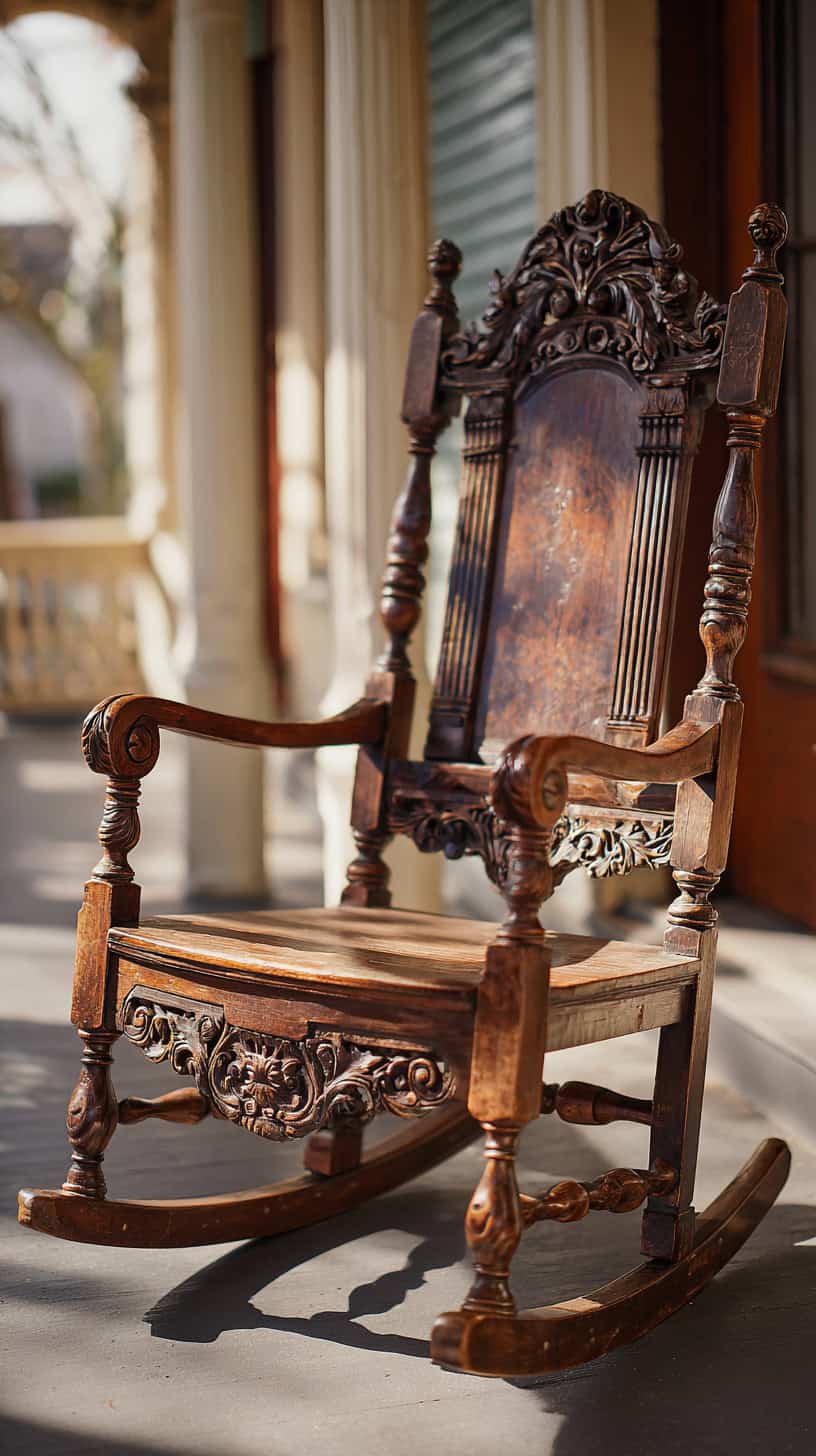
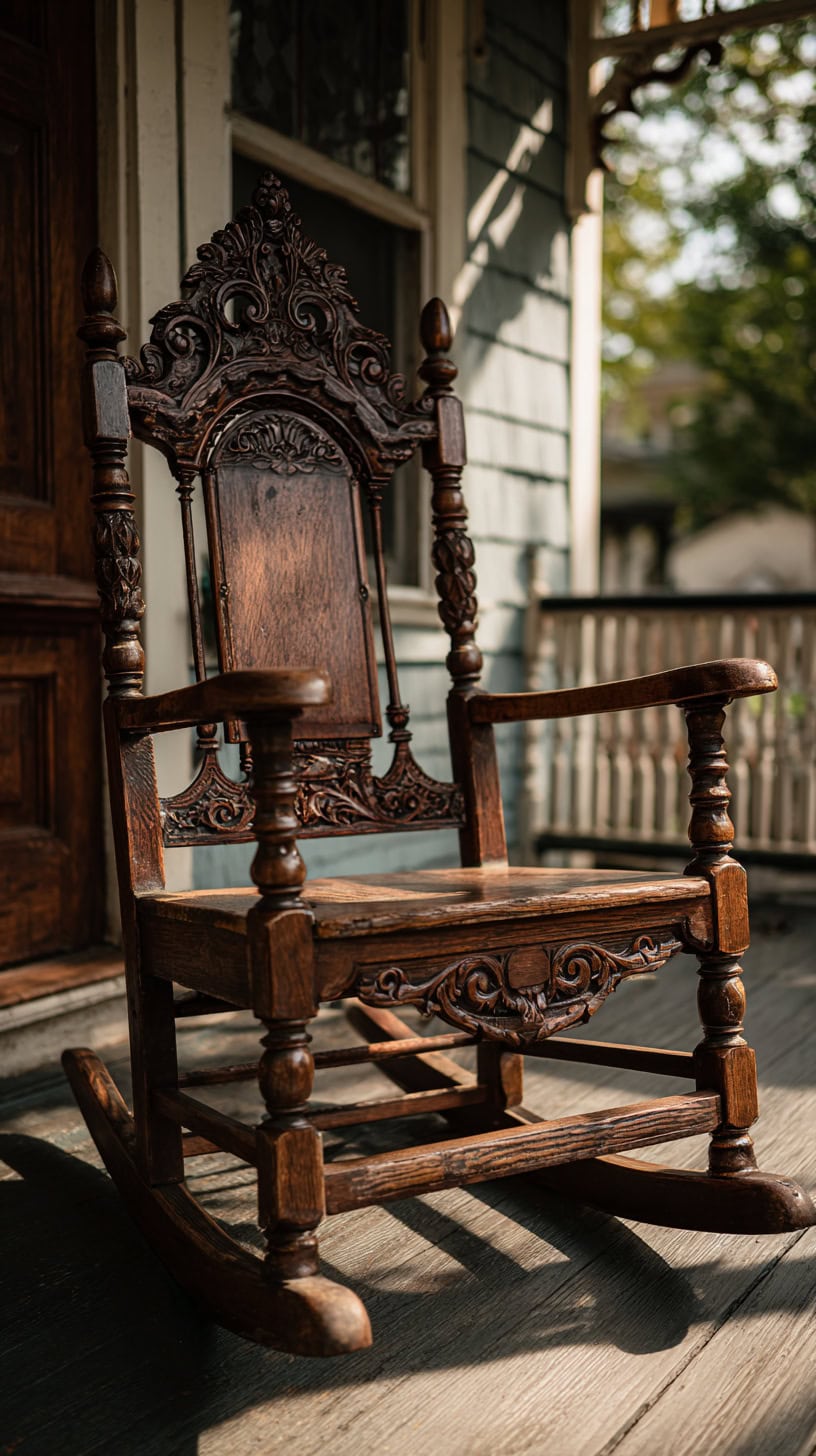
Antique rocking chairs are true treasures that deserve special attention and care. These pieces, typically over 100 years old, showcase craftsmanship techniques that are rare today. Look for details like hand-carved embellishments, intricate spindle work, and dovetail joints that indicate quality construction. Common antique styles include Boston rockers with their distinctive curved seats and tall backs, or Victorian rockers with ornate details and upholstered seats. The wood species also tells a story; many antique rocking chairs feature oak, walnut, or cherry wood. When displaying an antique rocking chair on your porch, consider protecting it from harsh weather elements with a covered area. These valuable pieces deserve preservation while still being enjoyed. Research the history of your antique rocker to learn about its origin and style period. This knowledge makes sitting in it even more special and meaningful for your whole family.
Rocking Chair Aesthetic
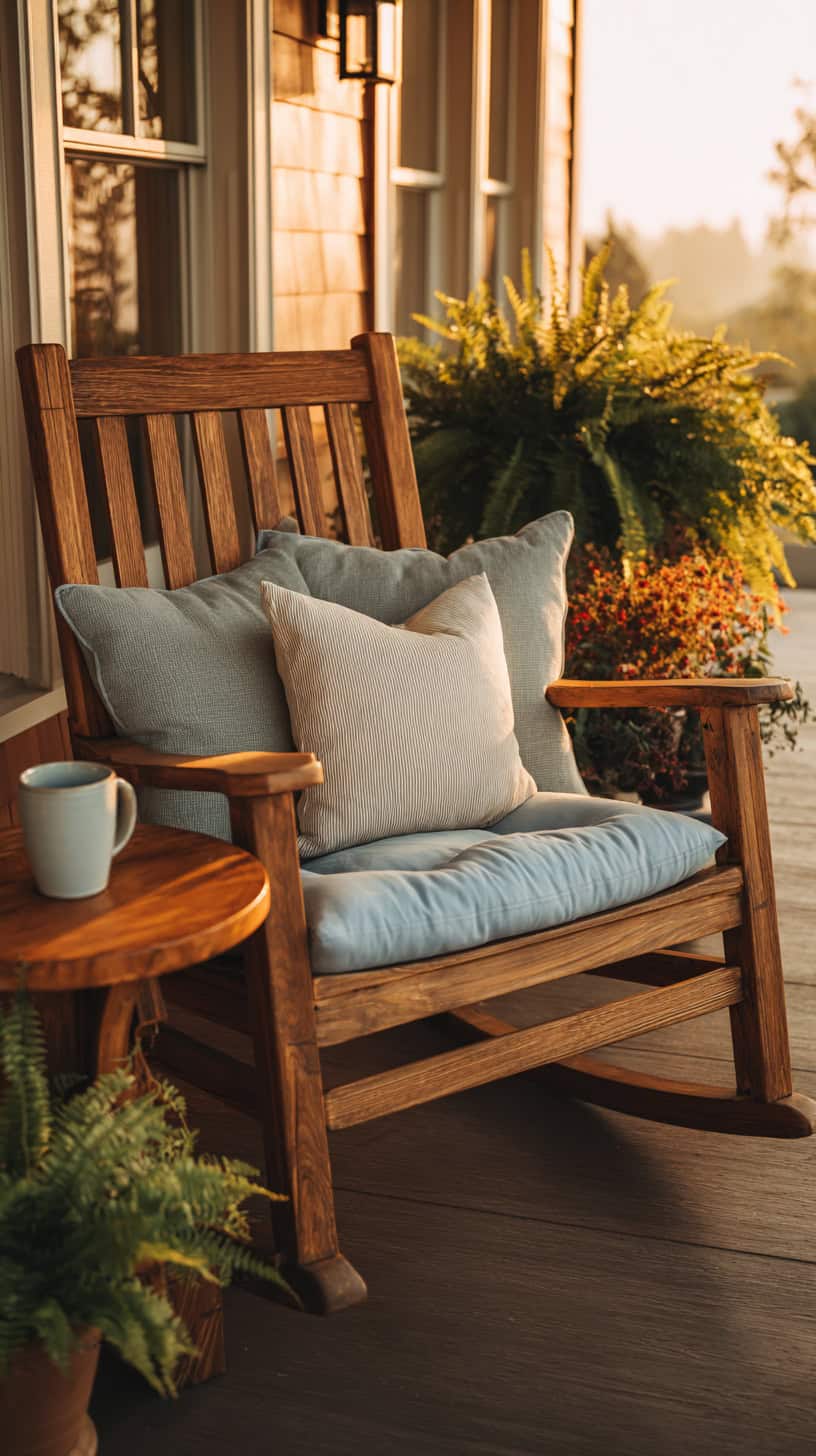
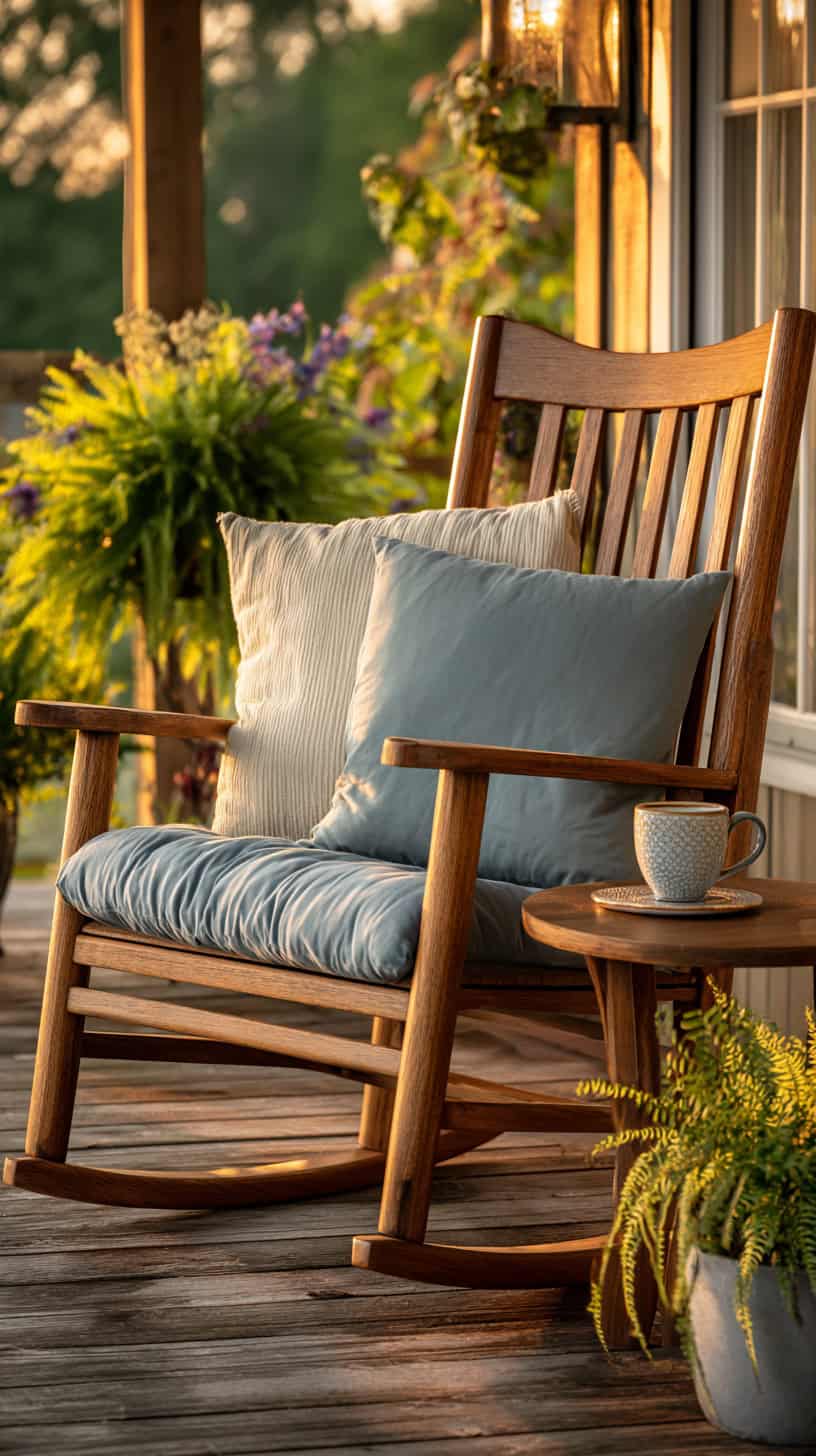
Creating the perfect rocking chair aesthetic is all about layering elements that work together harmoniously. Start with your wood rocking chair as the anchor piece, then build around it with complementary colors, textures, and accessories. A cushioned seat pad in a weather-resistant fabric adds comfort and introduces pattern or color. Throw pillows in coordinating hues create extra coziness and visual interest. Consider adding a small side table within arm’s reach for your morning coffee or evening lemonade. The aesthetic you’re going for might be rustic farmhouse, coastal cottage, traditional Southern, or modern minimalist. Each style calls for different surrounding elements. Farmhouse might include galvanized buckets with flowers, while coastal could feature rope accents and blue tones. Plants always enhance the rocking chair aesthetic, whether you choose hanging ferns, potted geraniums, or climbing vines. The key is creating a cohesive look that feels intentional and inviting.
Wooden Rocking Chair Makeover
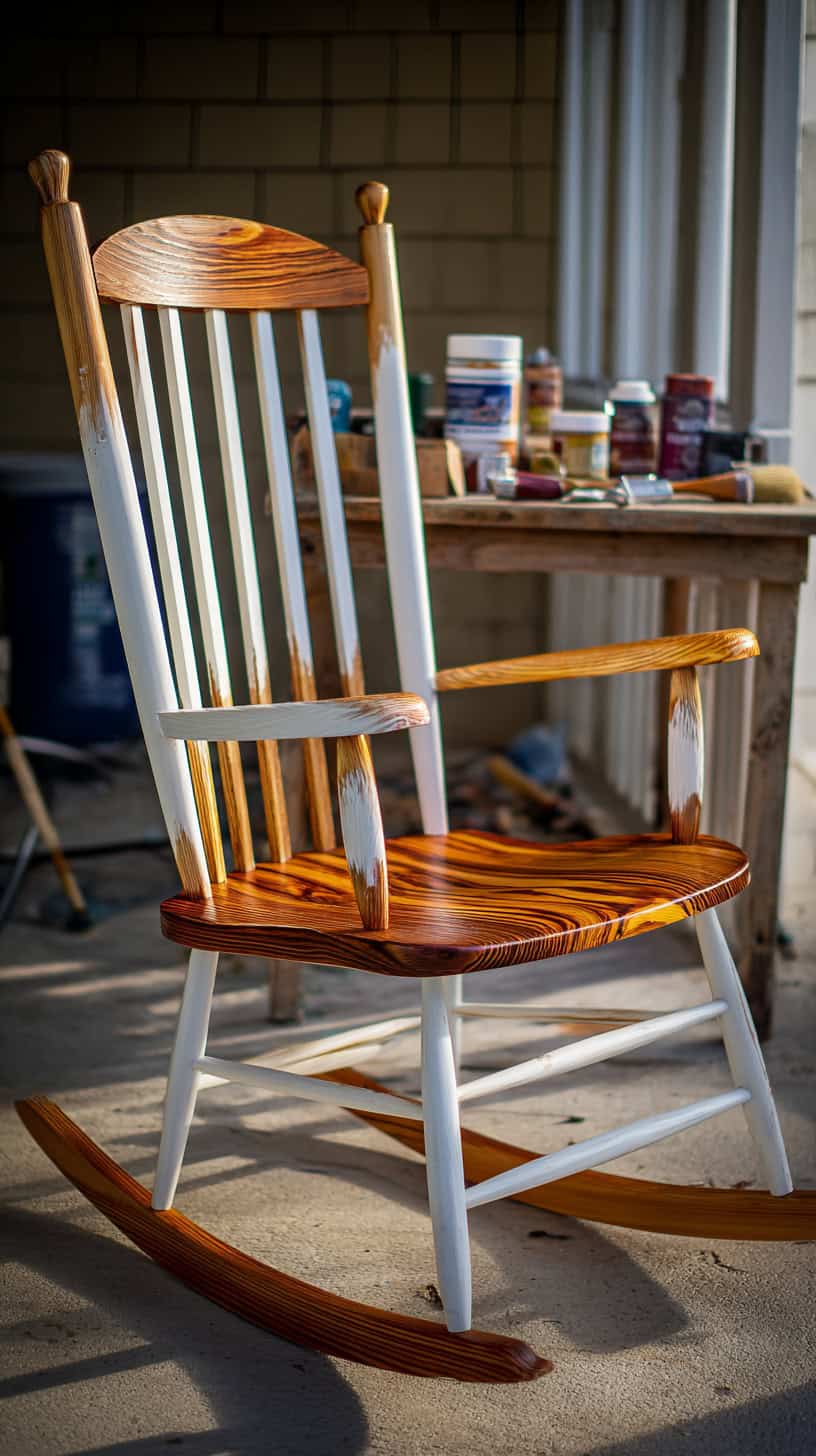
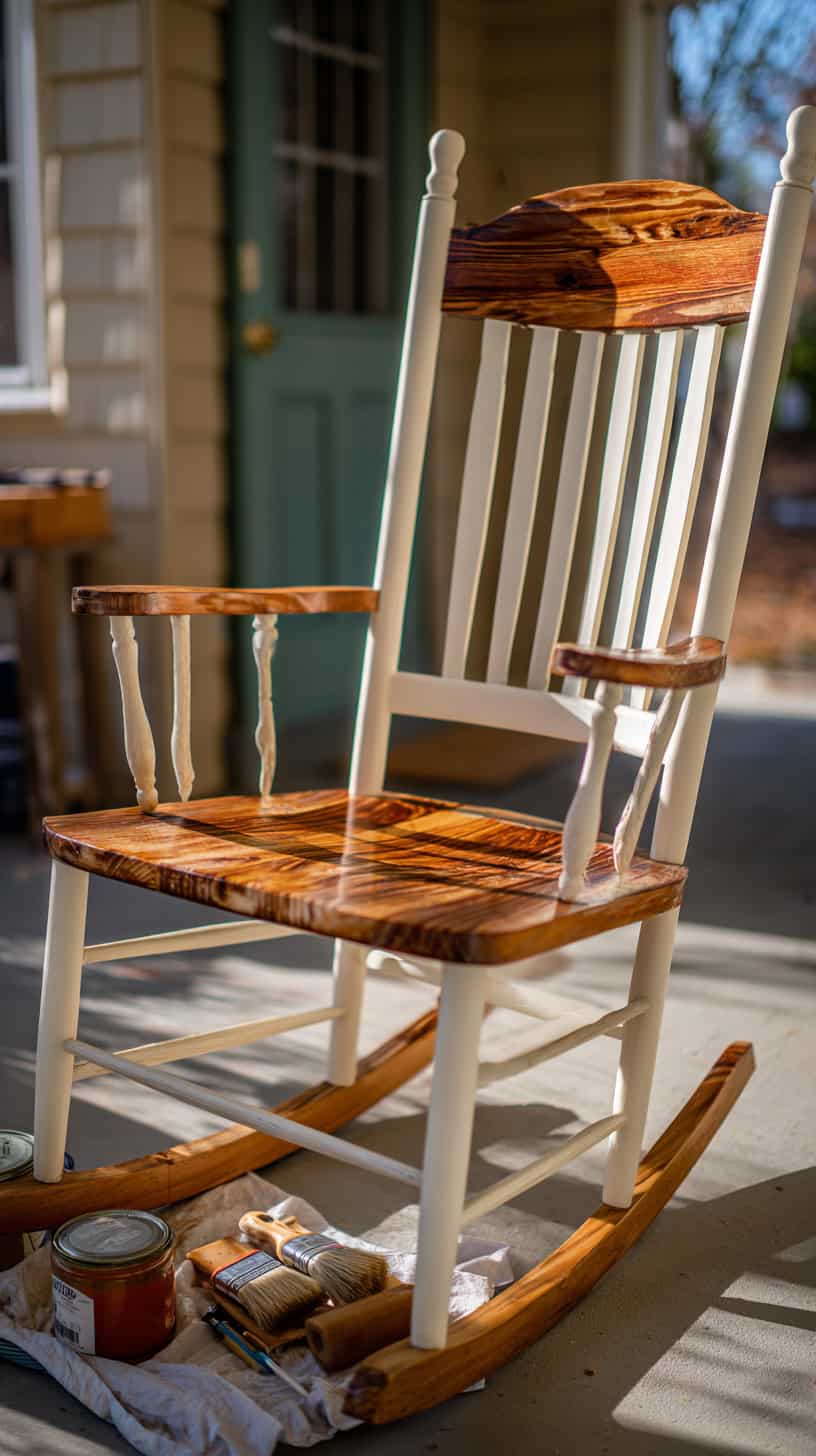
A wooden rocking chair makeover can completely transform an outdated or worn piece into something spectacular. Start by thoroughly cleaning the chair with wood cleaner to remove dirt and grime. Sand the surface to smooth out rough spots and prepare it for finishing. You have several options for the makeover: fresh stain to enhance the natural wood grain, paint in a bold or neutral color, or a combination of both. I love painting the body of the chair white while staining the seat and armrests for a two-tone farmhouse look! Consider adding decorative touches like stenciled designs on the backrest or distressing the finish for a shabby chic vibe. New cushions in updated fabrics can make a huge difference without any woodworking required. Don’t forget to tighten all screws and reinforce wobbly joints before finishing. A wooden rocking chair makeover is a weekend project that yields beautiful, personalized results.
Rocking Chair Plans
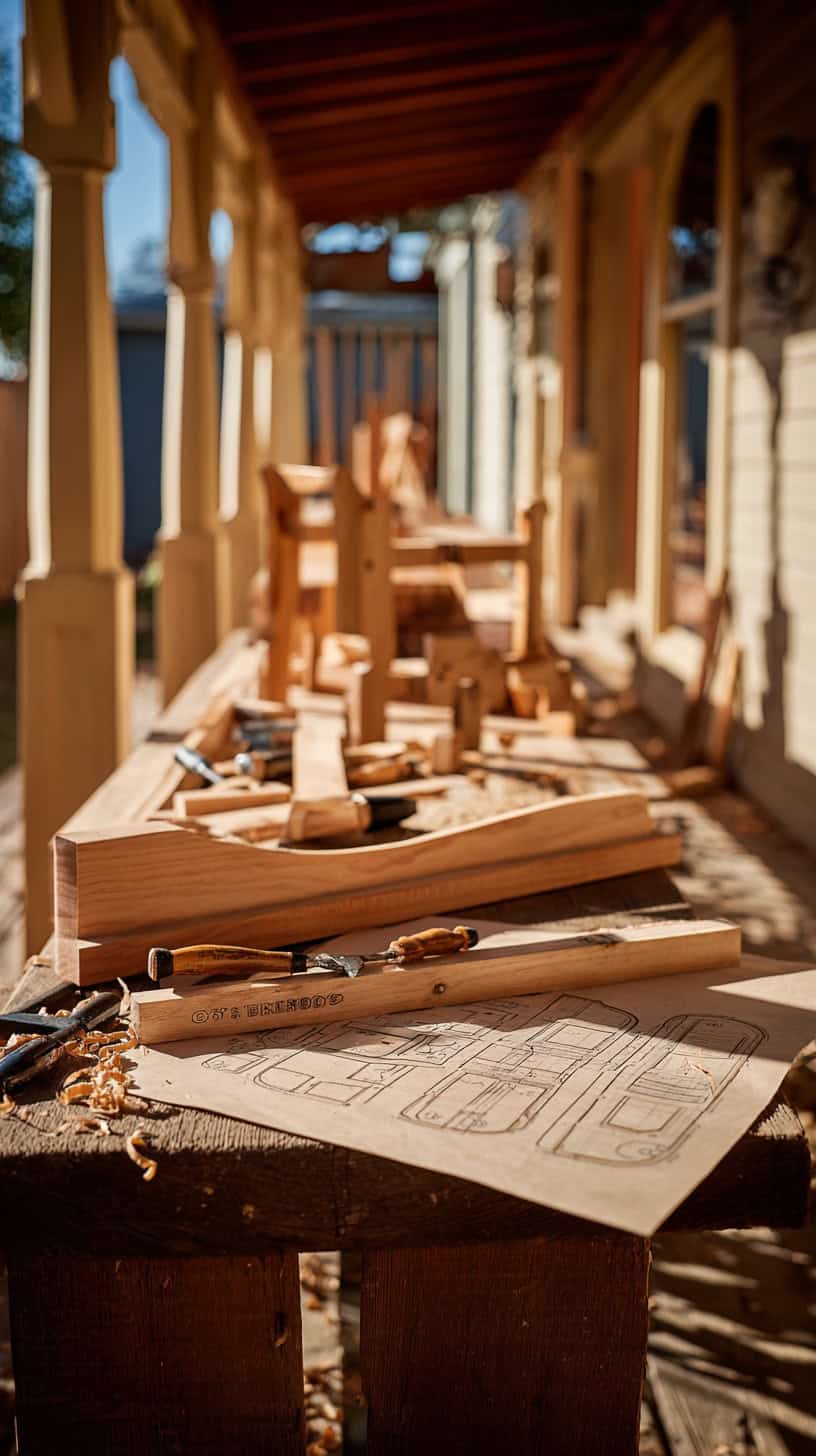
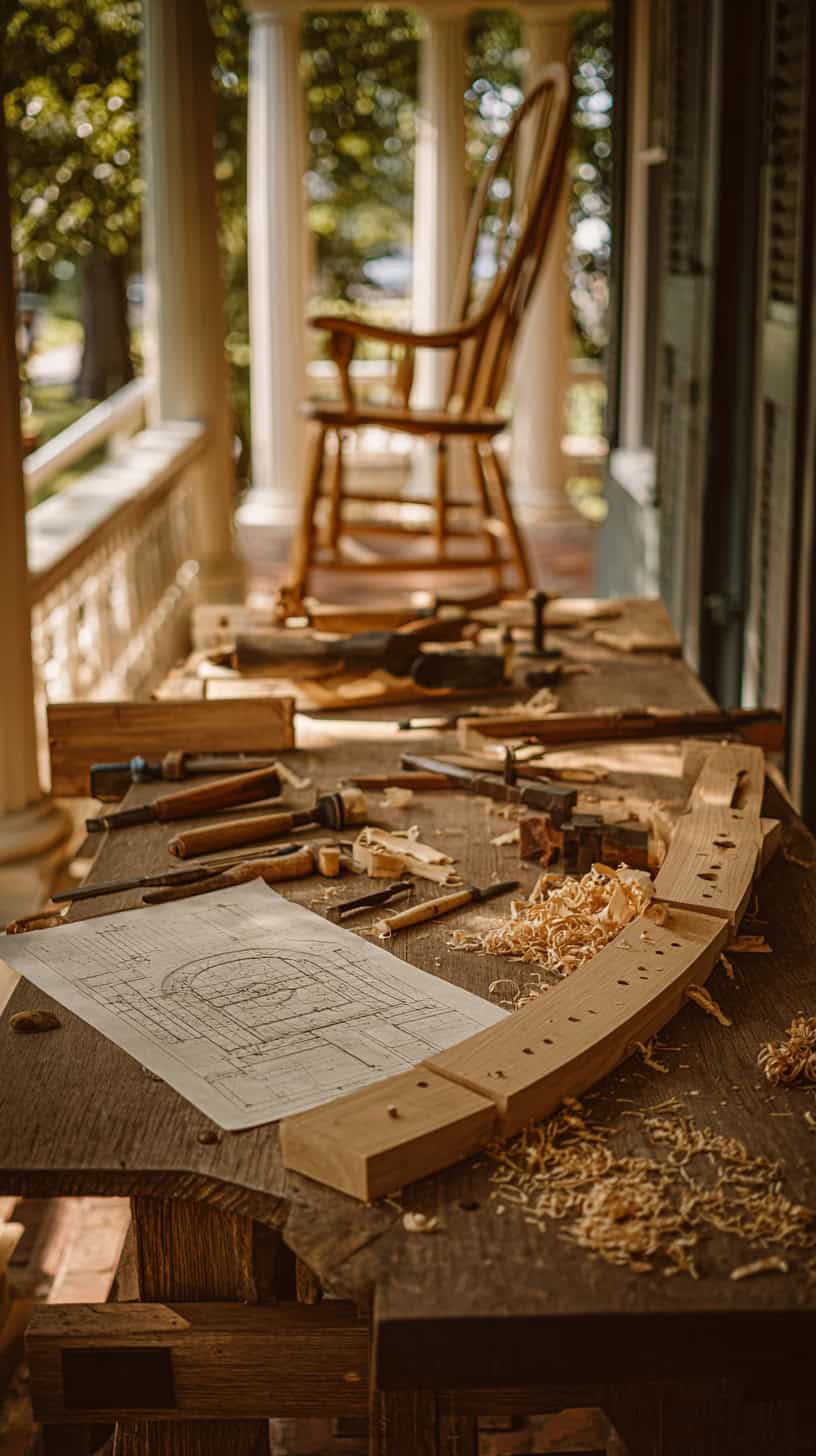
If you’re handy with woodworking tools, building from rocking chair plans is an incredibly rewarding project. Many free and paid plans are available online, ranging from simple designs for beginners to complex styles for experienced craftspeople. Look for plans that include detailed measurements, cut lists, and step-by-step instructions with diagrams. Traditional styles like Appalachian rockers or Shaker designs are popular choices that stand the test of time. Modern plans might feature sleeker lines and contemporary joinery techniques. Before starting, carefully review the entire plan to understand the process and gather all necessary materials and tools. Quality wood selection matters tremendously; choose hardwoods like oak, maple, or cherry for durability and beauty. Building your own rocking chair from plans creates a piece with personal significance that can become a family heirloom. The sense of accomplishment when you rock in something you built yourself is absolutely priceless!
Rocking Chair DIY
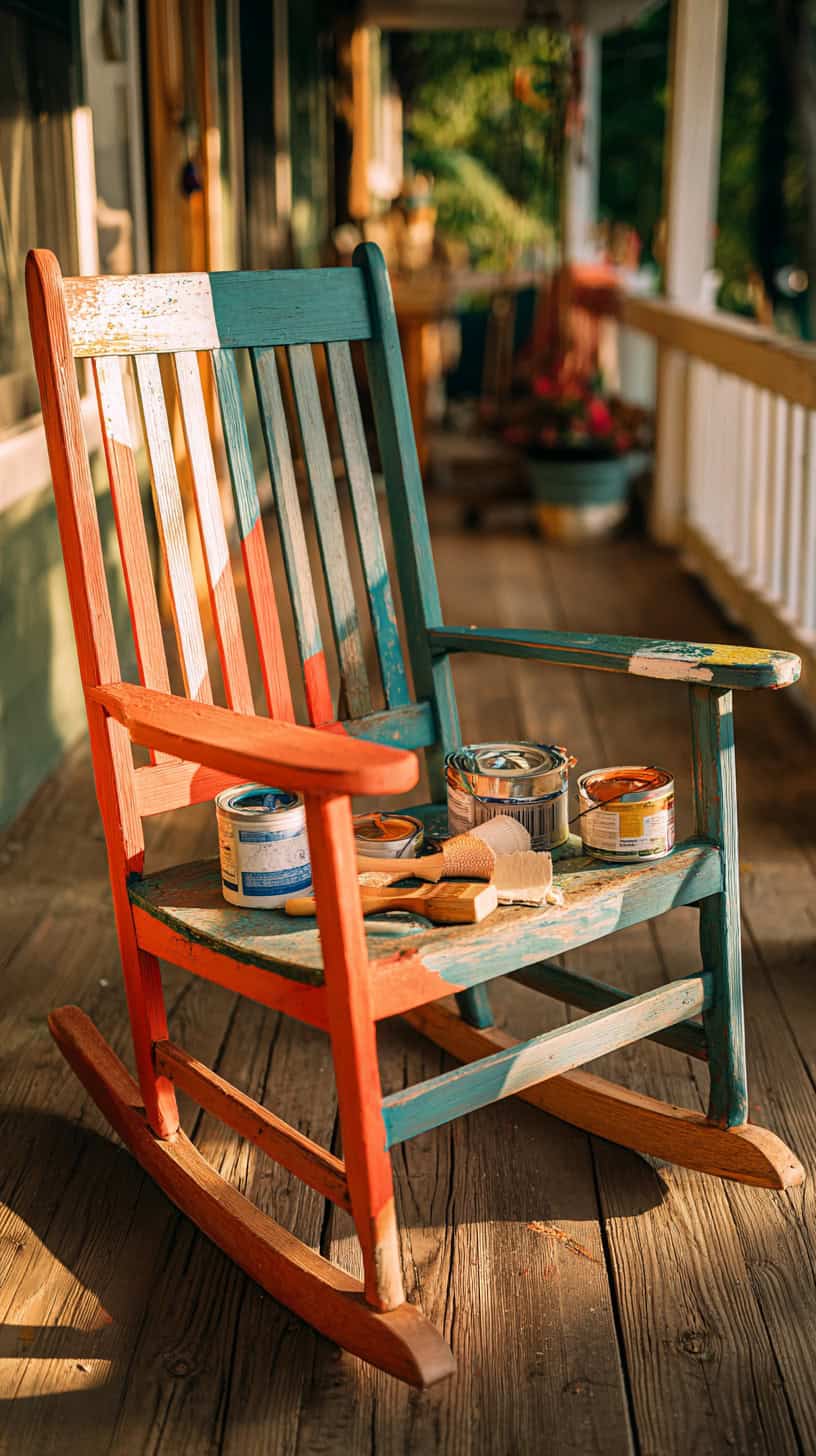
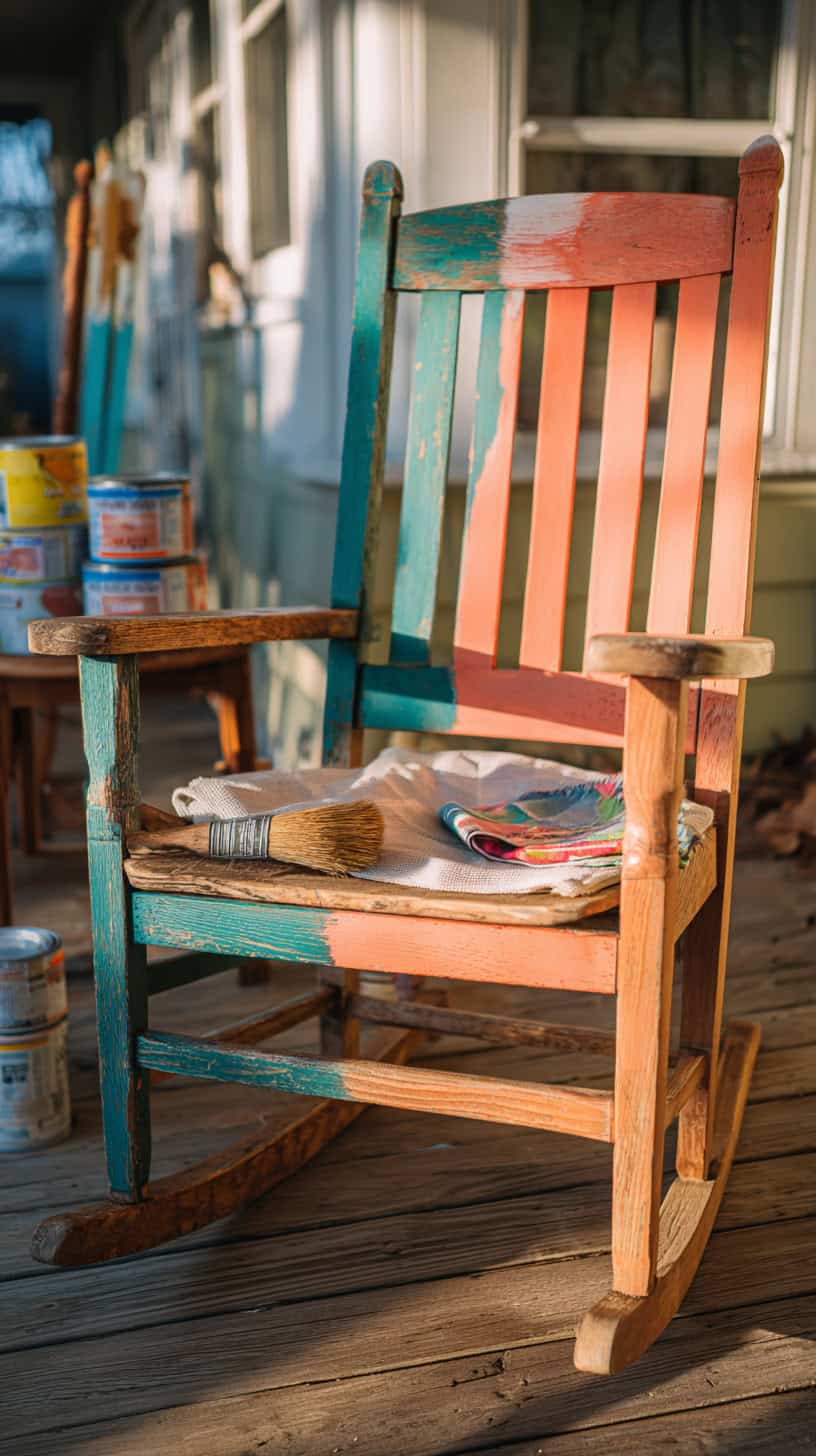
Taking on a rocking chair DIY project is easier than you might think, even if you’re not an expert woodworker. Simple DIY projects include refinishing an existing chair, replacing worn seat webbing, or creating custom cushions. You don’t need fancy tools for many rocking chair DIY improvements; basic sandpaper, paint brushes, and simple sewing skills go a long way. One fun DIY project is painting your rocking chair in a bold color that matches your porch decor. Another easy option is weaving a new rope or macrame seat to replace a damaged original. Creating tied cushions with outdoor fabric and foam inserts takes just a few hours and makes your rocker much more comfortable. Kids can help with DIY projects like stenciling designs or choosing paint colors, making it a wonderful family activity. The beauty of rocking chair DIY is that you can customize every detail to match your personal style and needs perfectly.
Rocking Chair Design

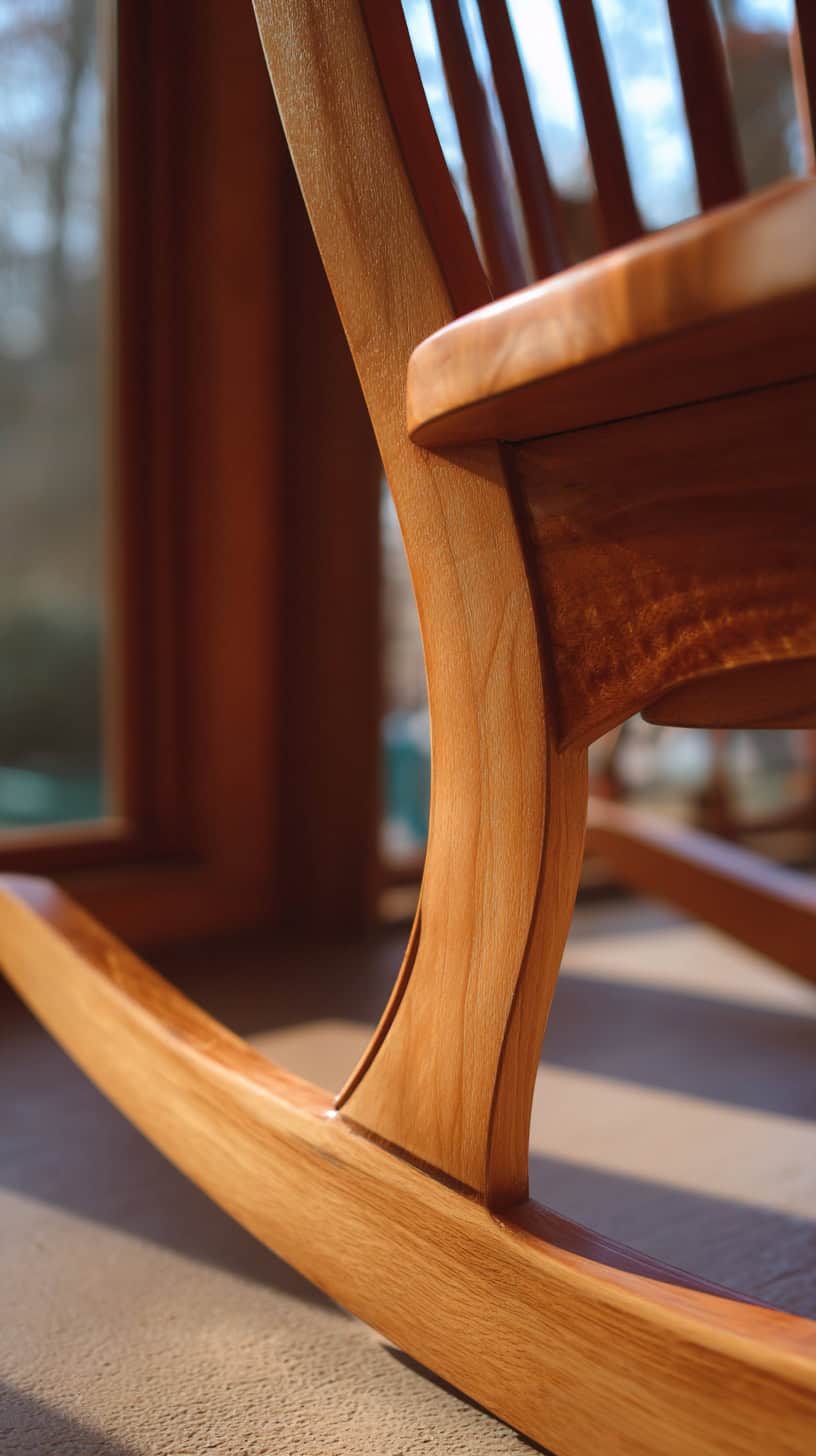
Rocking chair design has evolved over centuries, yet the basic mechanics remain beautifully simple and effective. The curved runners create the gentle back-and-forth motion we all love, while the seat angle and backrest provide ergonomic comfort. Classic design elements include spindle backs for support and ventilation, curved armrests positioned at just the right height, and contoured seats that cradle you comfortably. Some designs feature slatted backs, while others showcase solid wood with decorative carving. The proportion and balance of a rocking chair design determine how smoothly it rocks and how comfortable it feels. Well-designed rockers have the right weight distribution to prevent tipping while maintaining easy motion. Contemporary designers continue to innovate with new materials and shapes while respecting the fundamental principles that make rockers work. When choosing a rocking chair design, consider who will use it most and what activities they’ll enjoy in it, whether reading, knitting, or simply watching the world go by.
Comfy Rocking Chair
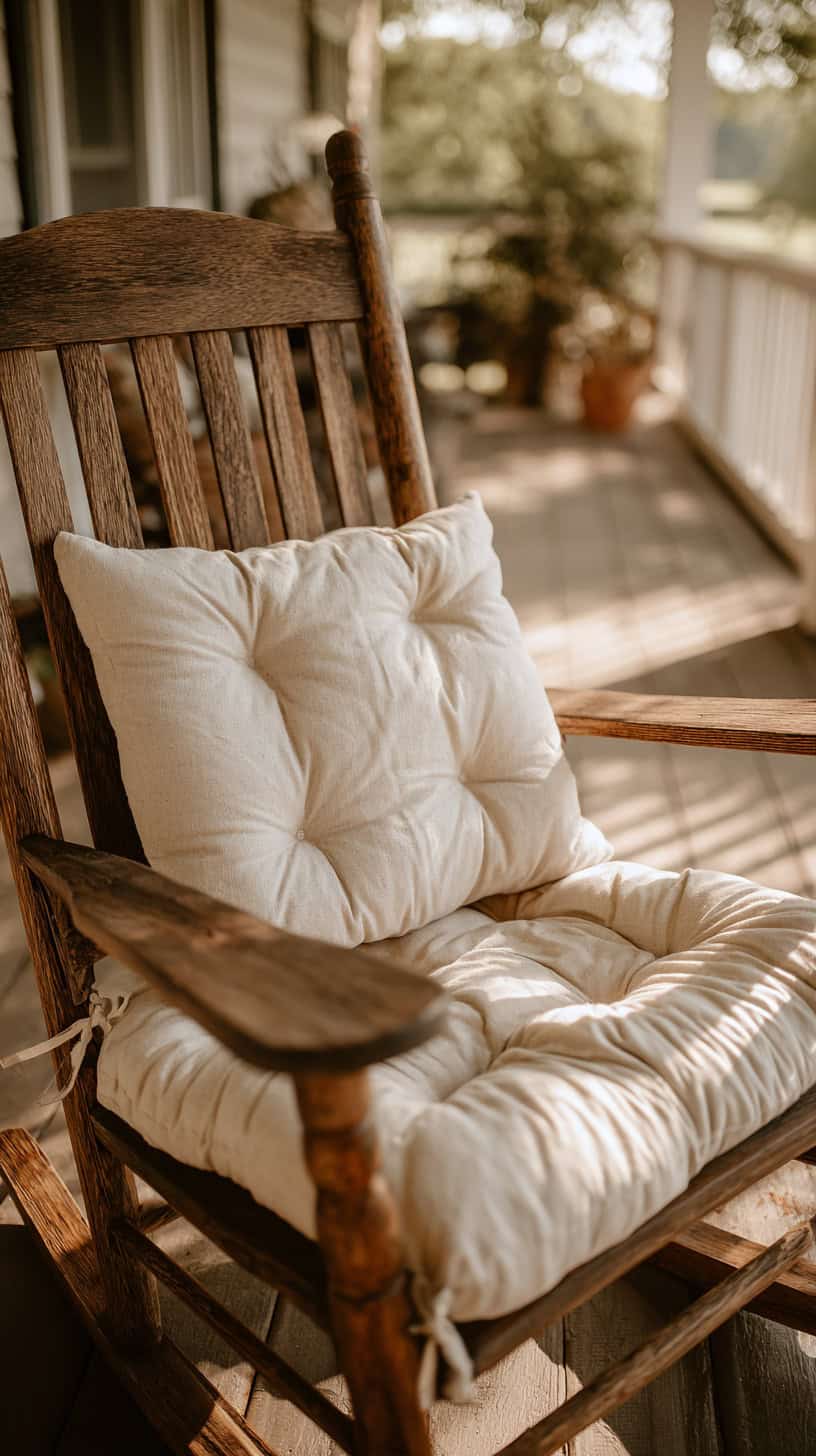
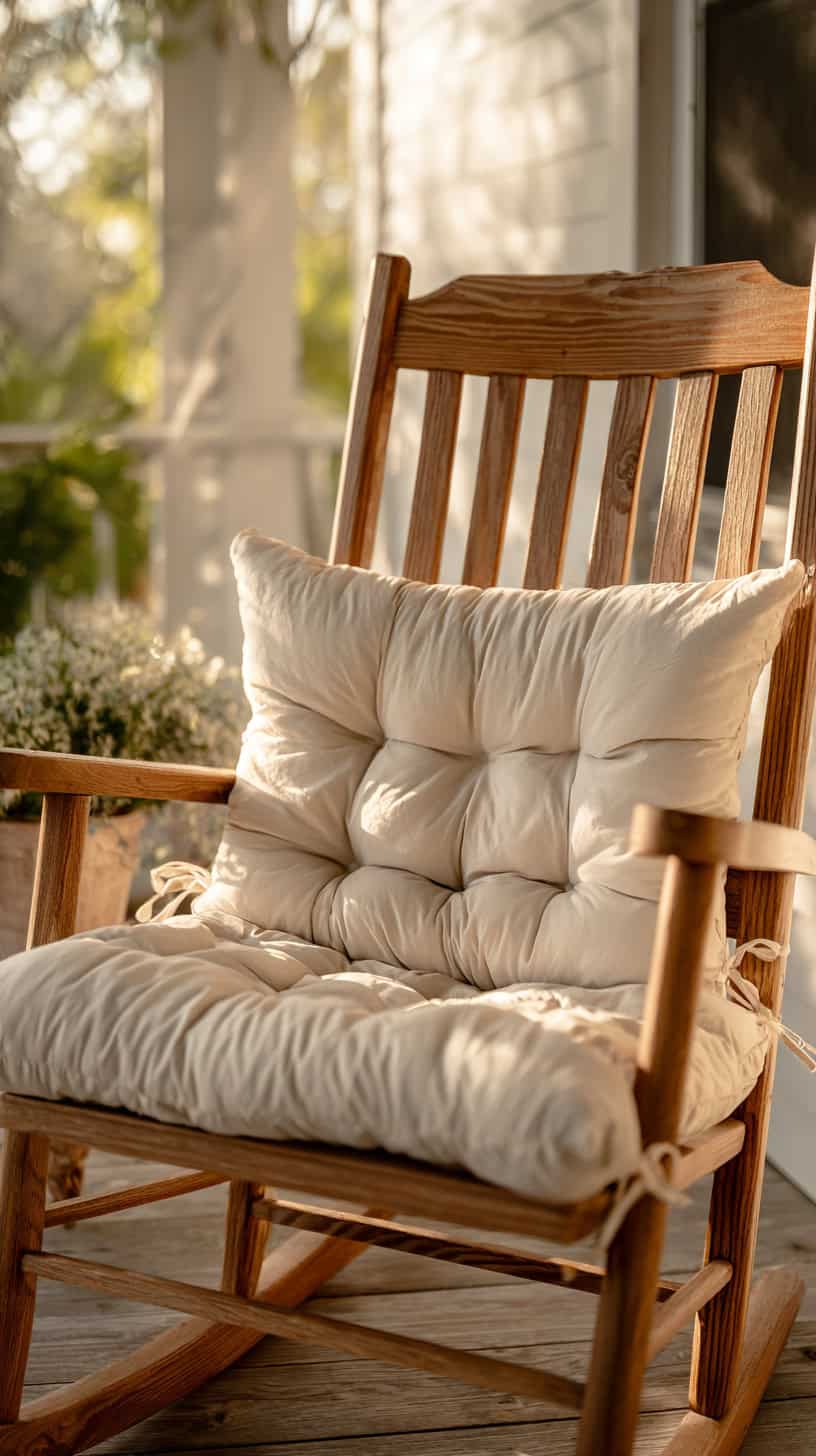
Creating a comfy rocking chair setup makes your porch the ultimate relaxation destination. Start with proper cushioning; a thick seat pad makes all the difference for extended sitting sessions. Look for cushions with ties that secure them to the chair so they don’t slip around. Lumbar support is essential for true comfort, so add a small pillow at the lower back area. The height of the armrests should allow your shoulders to relax naturally without hunching or straining. Consider the depth of the seat too; your feet should touch the ground comfortably when you’re seated. Weather-resistant fabrics ensure your cushions stay fresh and dry even in humid conditions. I always keep a cozy throw blanket draped over my rocking chair for cool evenings! The rocking motion itself is naturally soothing and comfortable, but these additions take it to the next level. A truly comfy rocking chair becomes your favorite spot to unwind after a busy day.
Wood Rocking Chair
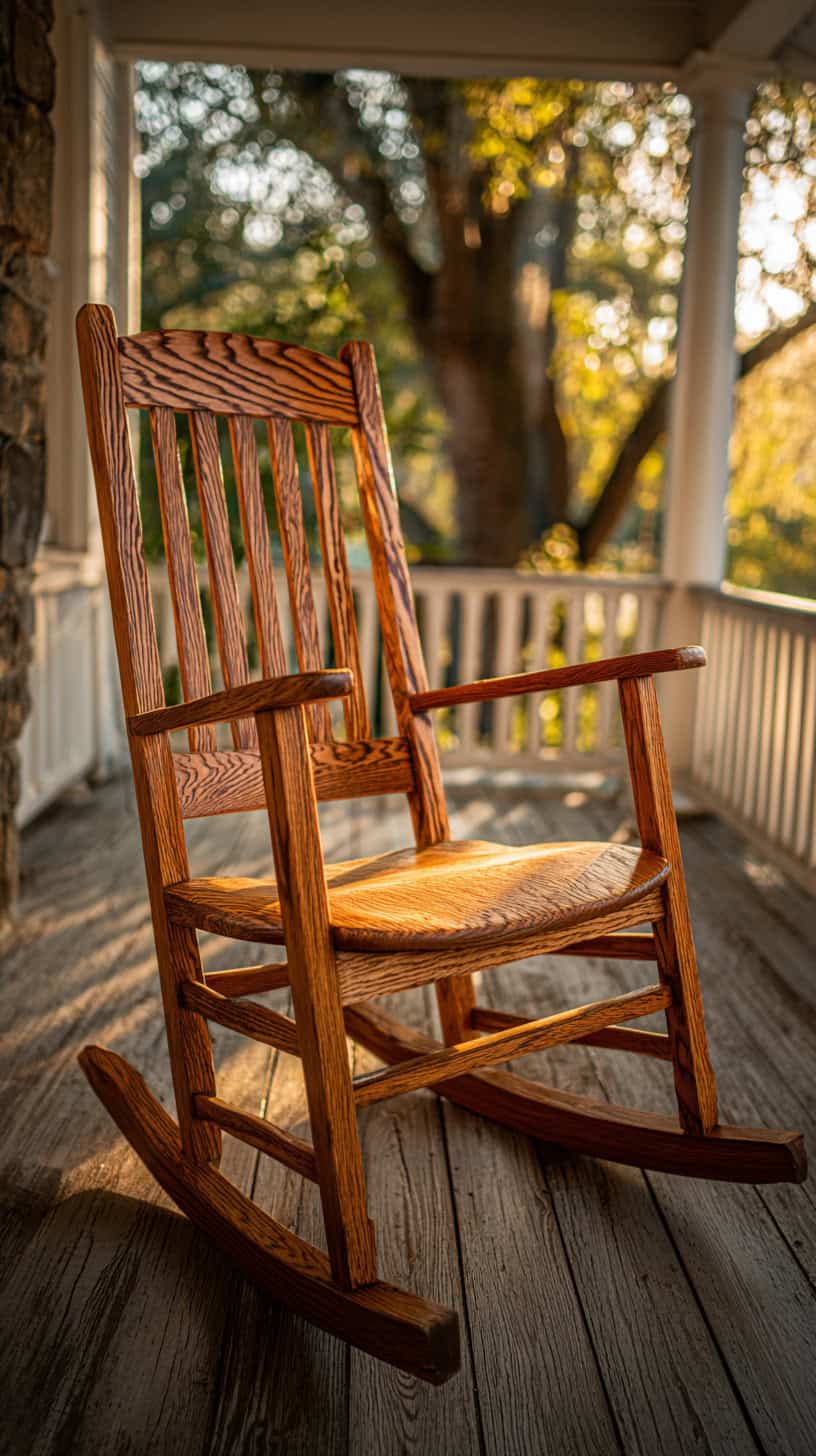
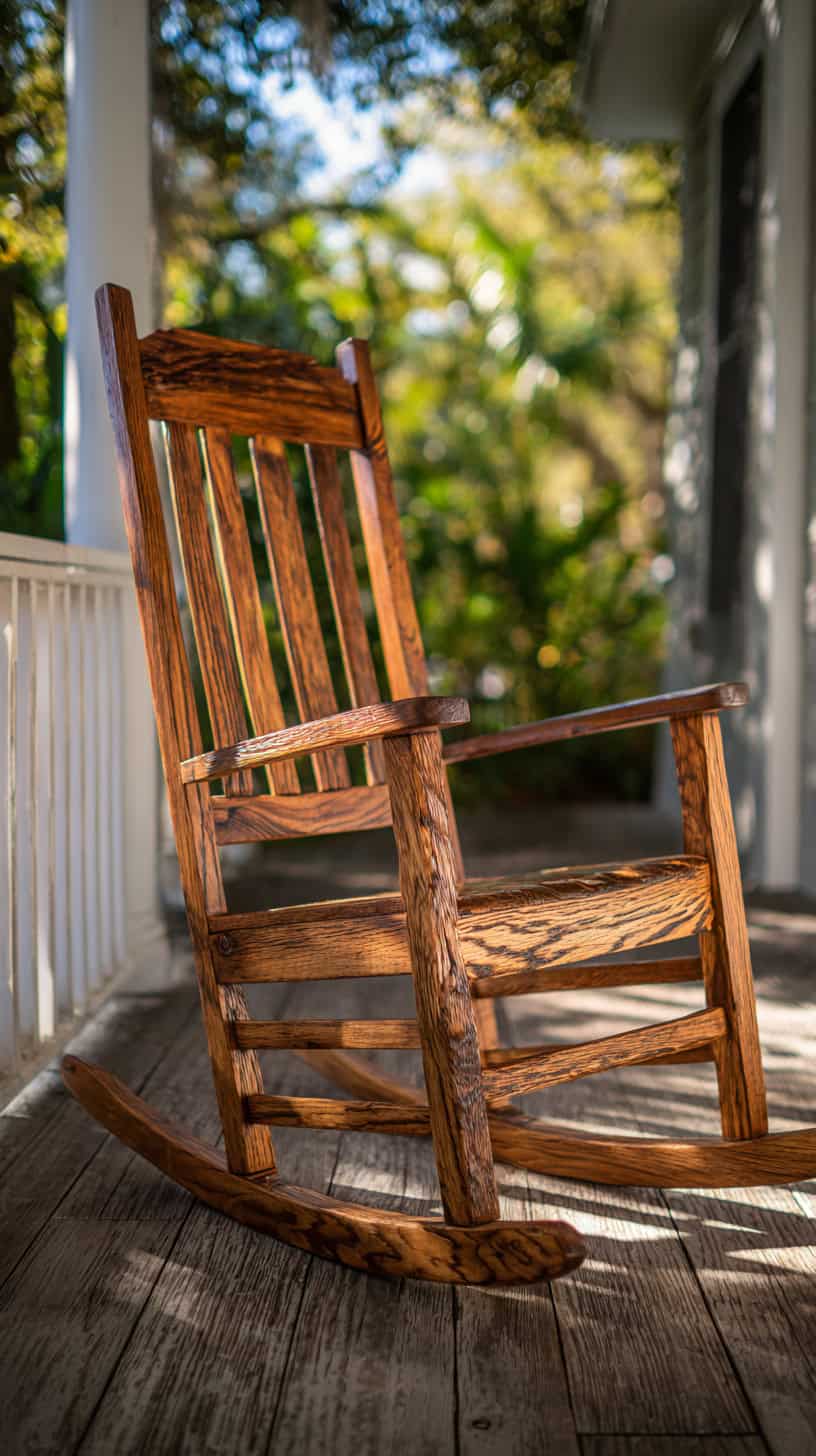
The classic wood rocking chair remains the gold standard for porch furniture, combining durability, beauty, and timeless appeal. Different wood species offer unique characteristics; oak provides strength and prominent grain, while pine offers affordability and a lighter weight. Cedar and teak naturally resist weather and insects, making them excellent choices for outdoor use. The natural beauty of wood grain adds warmth and organic texture to your porch space. Wood rocking chairs age gracefully, developing character and patina over time that only enhances their appearance. Maintenance is straightforward; annual cleaning and occasional oiling or sealing keep wood rockers looking beautiful for decades. You can leave wood natural to showcase its inherent beauty, stain it to enhance the grain, or paint it for a pop of color. Wood rocking chairs work with virtually any decorating style, from rustic to refined. The weight and solidity of wood create a substantial, quality feel that lighter materials simply cannot match.
Restored Press-Back Rocker
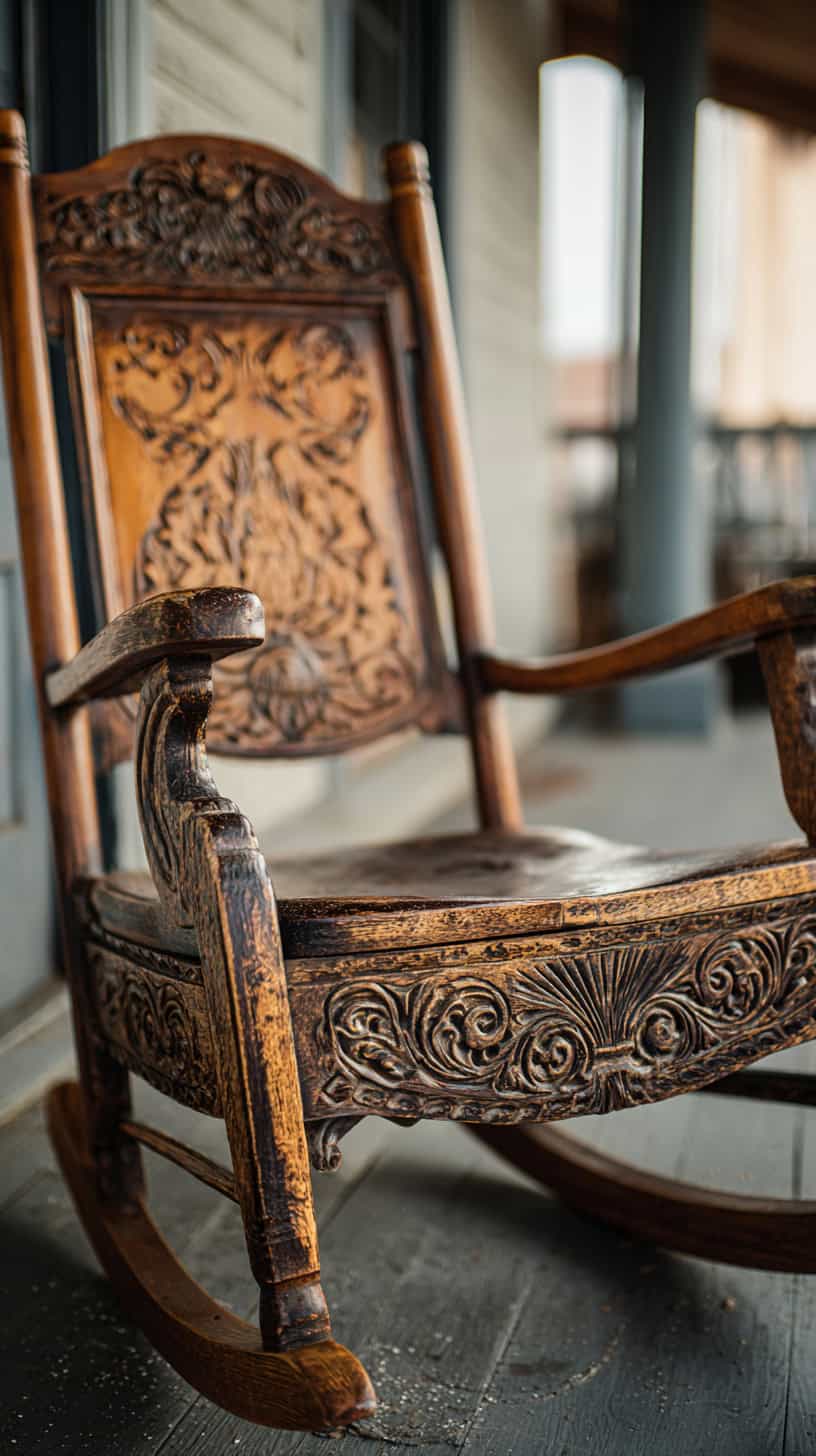
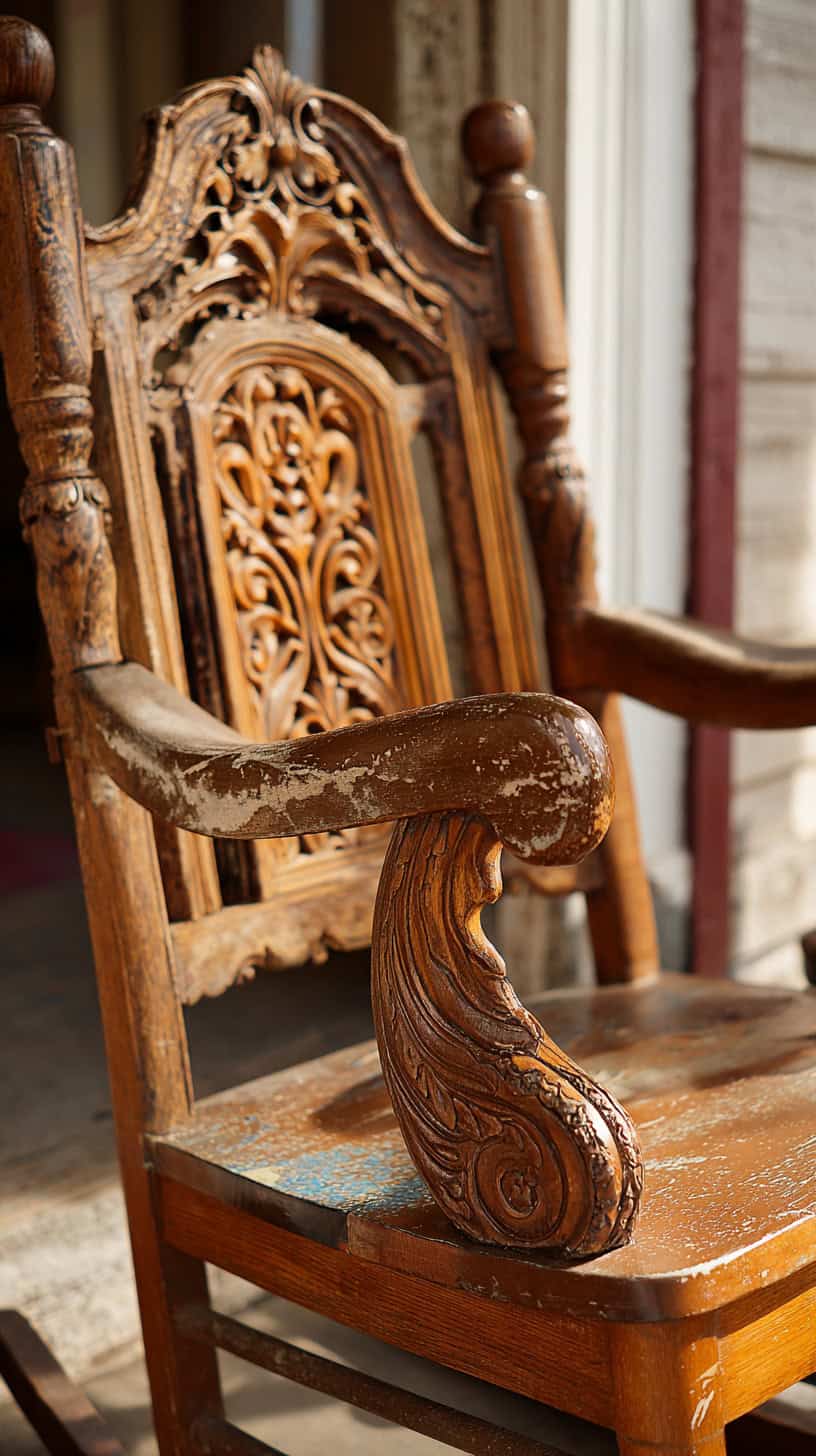
Press-back rockers from the early 1900s feature machine-pressed designs in the backrest that create beautiful decorative patterns. Restoring a press-back rocker brings new life to these charming antiques while preserving their historical character. Start by carefully cleaning the intricate pressed designs with a soft brush to remove decades of accumulated dust and grime. The restoration process typically involves stripping old finish, sanding the wood smooth, and applying fresh stain or paint. Those pressed designs might feature fruit motifs, geometric patterns, or floral elements that showcase the craftsmanship of the era. Pay special attention to the details during restoration; the pressed areas should stand out visually once you’ve refinished the wood. These rockers often have spindle backs and turned legs that also deserve careful attention during restoration. A restored press-back rocker becomes a stunning focal point on your porch, combining vintage charm with renewed beauty. The satisfaction of bringing one back to its former glory is absolutely worth the effort!
Upholstered Antique Rocker
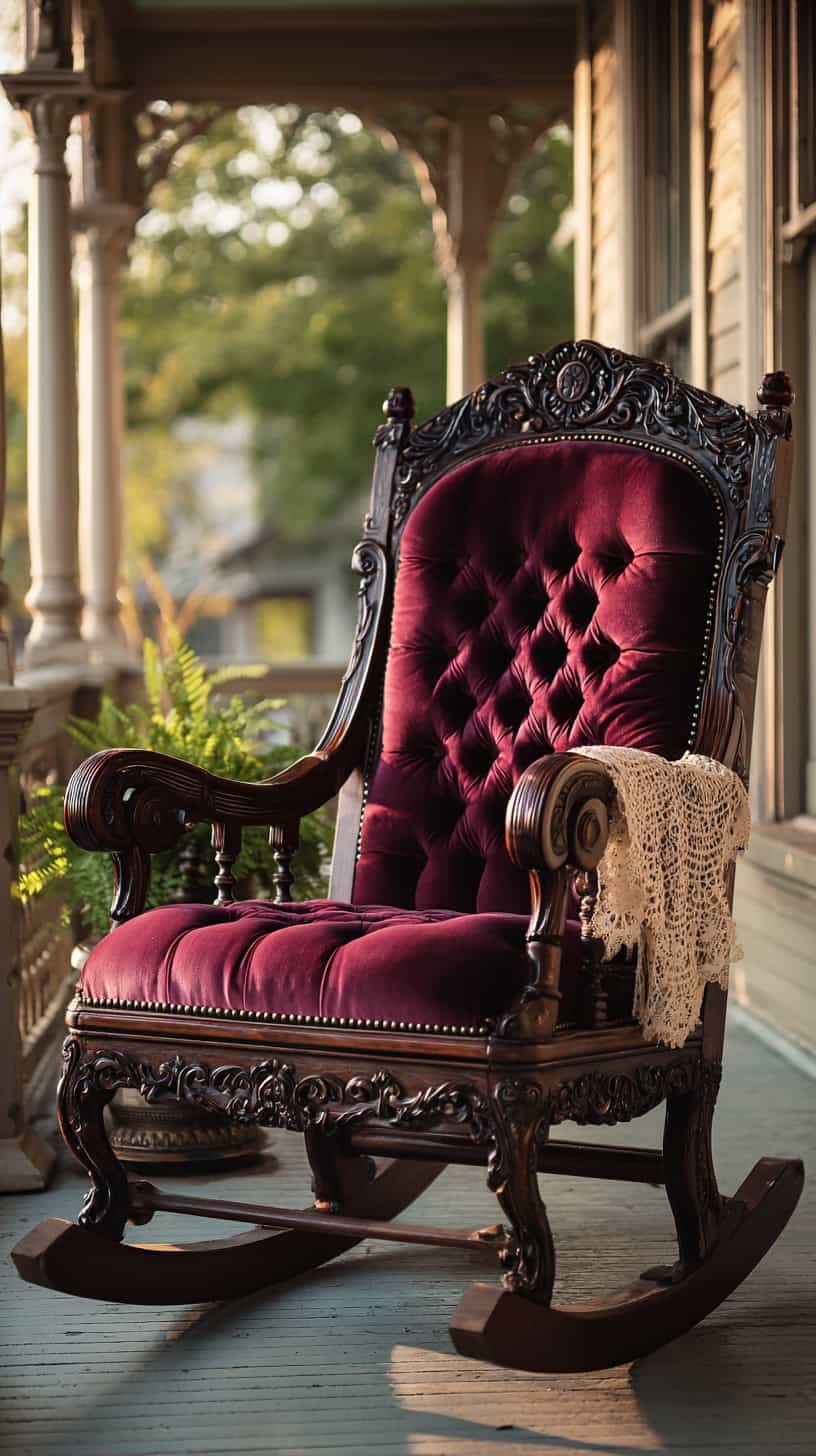
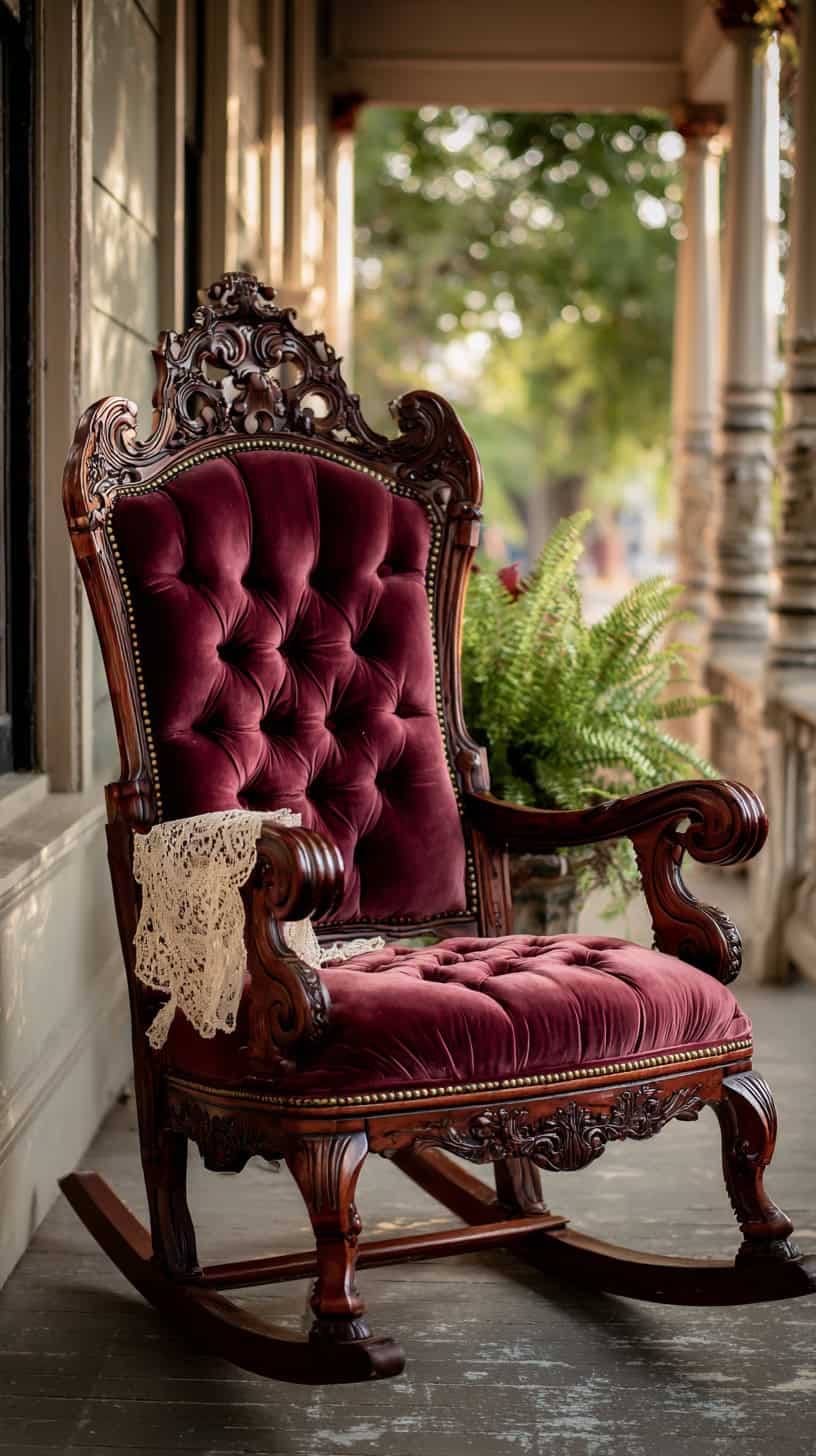
An upholstered antique rocker combines the elegance of vintage furniture with the comfort of padded seating. Victorian-era rockers often featured upholstered seats and backs, sometimes with tufting and decorative trim. Restoring the upholstery on an antique rocker requires careful selection of appropriate fabrics that complement the period and style. For outdoor porch use, consider weather-resistant fabrics or plan to bring cushions inside during rain. The wood frame of an upholstered antique rocker might feature carved details, turned spindles, or ornate embellishments that deserve highlighting. When reupholstering, you can choose to recreate the original look with period-appropriate fabrics, or update it with modern materials in coordinating colors. The padding should be firm enough for support but soft enough for comfort during long sitting sessions. Upholstered antique rockers bring a touch of refined elegance to your porch that plain wood chairs cannot achieve. They’re perfect for creating a more formal or traditional porch aesthetic.
Outdoor Stain Makeover
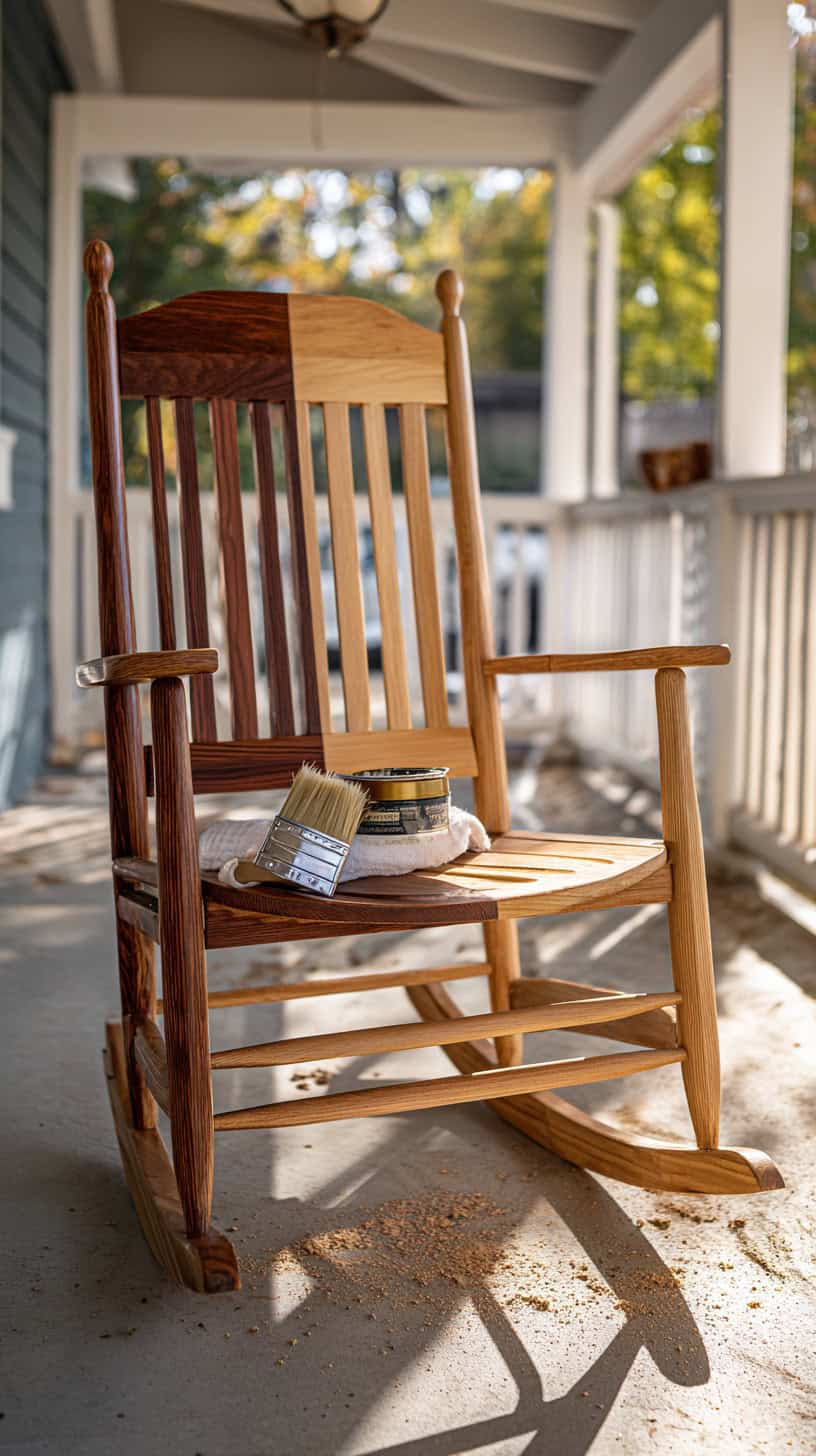
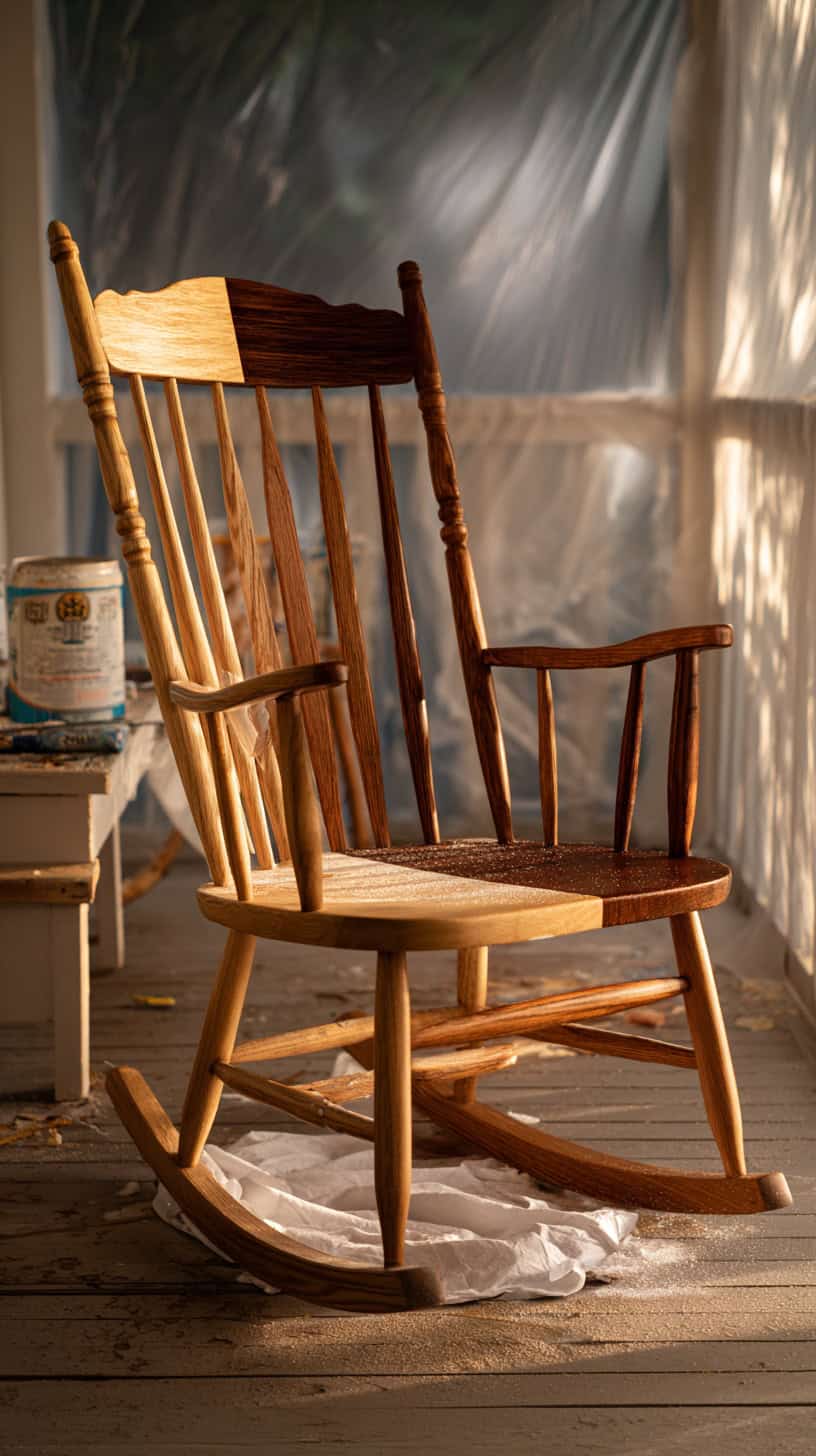
An outdoor stain makeover refreshes a weathered wood rocking chair while protecting it from the elements. Start by thoroughly cleaning the chair with wood cleaner and allowing it to dry completely. Sand the entire surface to remove old finish and create a smooth base for the new stain. Choose an exterior-grade stain specifically formulated for outdoor use; these contain UV inhibitors and water repellents that regular stains lack. The color options range from natural tones that enhance the wood grain to richer, darker shades that create drama. Apply the stain following the wood grain using a brush or cloth, working in manageable sections. Multiple thin coats provide better protection and more even color than one thick application. After the stain dries completely, seal it with an outdoor polyurethane or spar varnish for maximum weather protection. This protective topcoat prevents moisture damage and extends the life of your stain job significantly. An outdoor stain makeover can transform a faded, gray rocker into a beautiful, protected piece that looks brand new.
Broken Rocker Repair
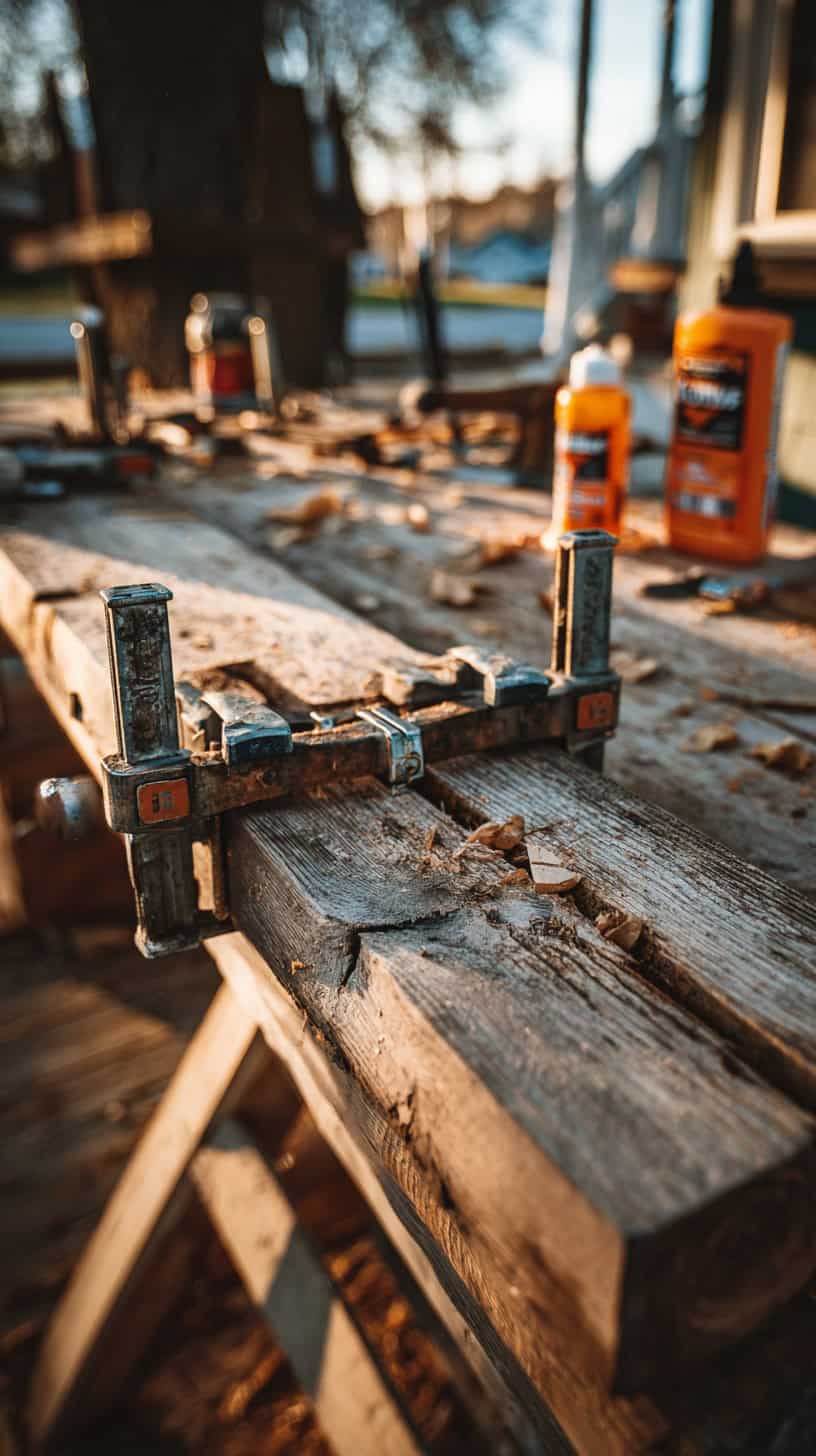
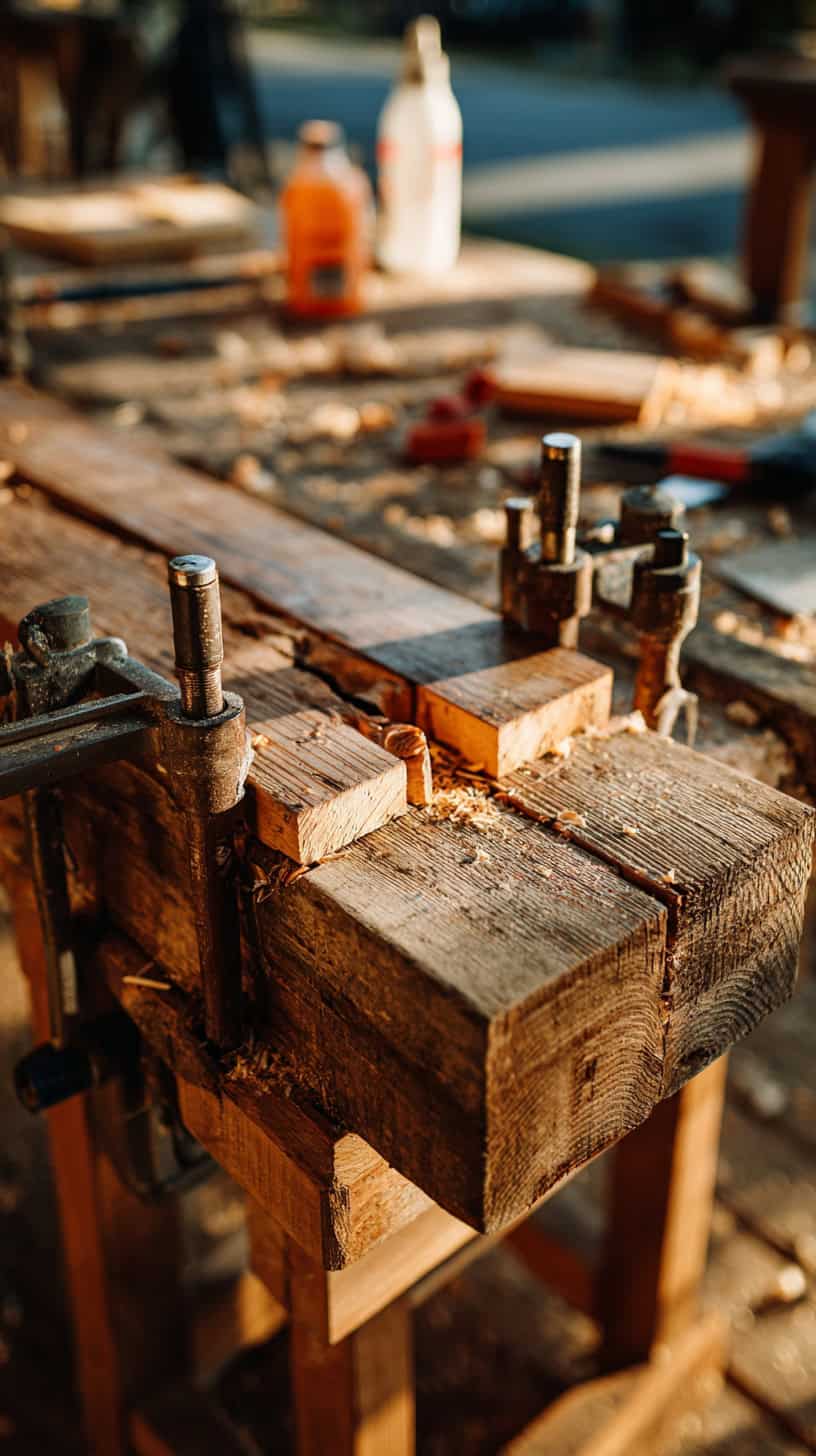
Repairing a broken rocker saves a beloved piece of furniture and keeps it out of the landfill. Common problems include cracked runners, loose joints, broken spindles, or split seats. For cracked runners, wood glue and clamps often provide a strong repair; apply glue generously, clamp tightly, and let cure for at least 24 hours. Loose joints need disassembly, old glue removal, fresh wood glue application, and proper clamping until dry. Broken spindles can be replaced by carefully removing the damaged piece and crafting or purchasing a matching replacement. Split seats might require wood filler for small cracks or more extensive repairs for larger damage. Sometimes adding wooden dowels or brackets reinforces weak areas and prevents future breaks. Clean out old, dried glue from joints before applying fresh adhesive for the strongest bond possible. After repairs, sand any rough areas and refinish as needed to blend repairs with the original wood. A properly repaired broken rocker can serve your family for many more years of enjoyment!
This post may contain affiliate links. Read the full disclosure here.