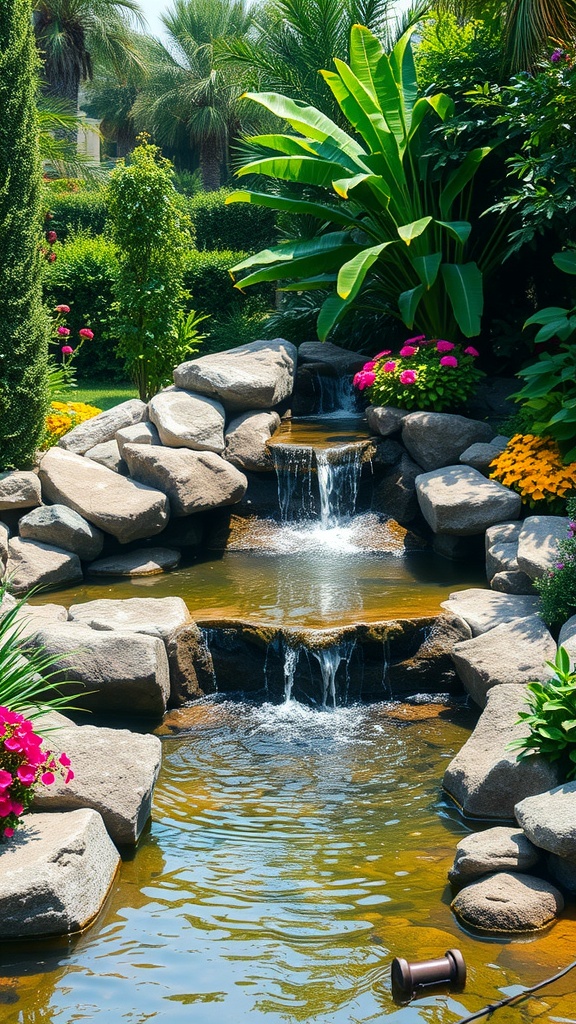
When we first moved into our tiny backyard, I wasn’t sure how to turn it into a space that felt alive and welcoming—especially on a budget. Luckily, with some simple, cheap budget small garden ideas, we brought our little yard to life without breaking the bank.
I love how these easy touches made our outdoor area both charming and practical for my three boys to enjoy!
A lot of our inspo came from this succulent garden concept we tried and loved!
It’s totally doable to create a playful, green spot that suits a busy family like ours. In this post, I’ll share the ideas that worked best for us… many you can make or find for little money. If you’ve been dreaming of a garden that’s fun, inviting, and affordable, you’re in the right place!
Planning and Designing Your Small Garden on a Budget
Getting a small garden up and running doesn’t have to empty your wallet. The secret lies in smart planning and some creative thinking. When I started with our little backyard, I focused on how to make the most of what we had without spending a fortune. It all began with choosing the right spot, picking plants that don’t demand much care or money, and finding ways to add charm with recycled stuff and simple DIY projects. These steps kept things affordable while making the garden feel special and personal.
Choosing the Right Location and Layout
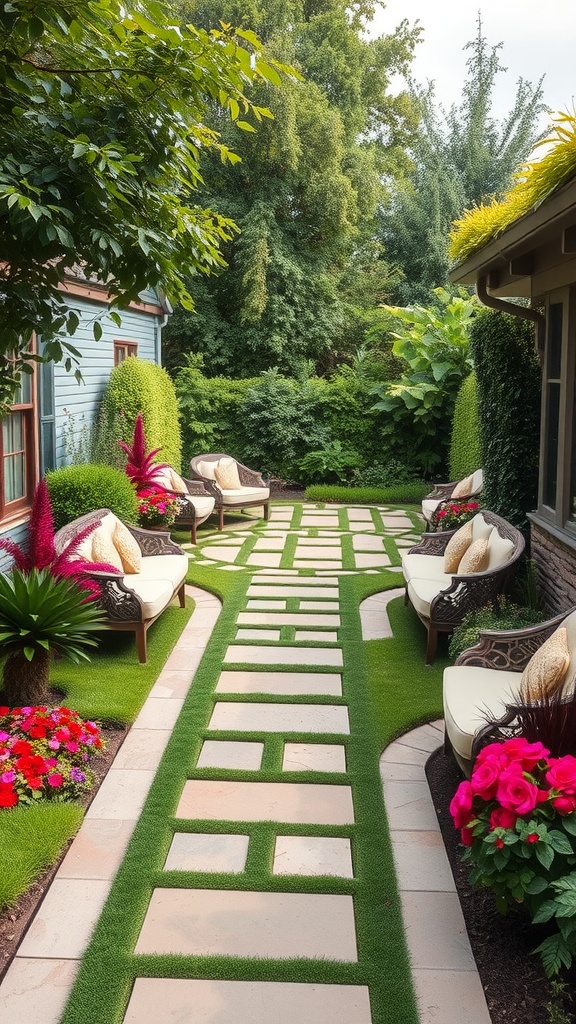
The best garden starts with a spot that works well for both plants and the family. I looked around our yard and found a place that gets enough sunlight, which is key because plants need it to thrive. Usually, that means a spot with at least 6 hours of direct sun. Avoid areas that are constantly in shade or too close to big trees where roots compete for water.
Think about convenience too—our garden is right near the back door, so it’s easy to check on plants or let the kids run out quickly to play. I sketched out a simple layout, keeping in mind the shape of the space and how we like to use it. You don’t have to get fancy; just sketching on paper helped me see where to place flower beds, a small vegetable patch, and a little seating corner.
When picking the layout, I made sure paths were wide enough for the kids’ scooters and that the design left some open space for running around. It’s a balance between making it pretty and practical for family life.
Selecting Budget-Friendly Plants and Materials
Plants can get expensive fast, but there are plenty of affordable and fuss-free options. I chose plants that don’t need special care or costly fertilizers. Look for native plants—they usually grow well without extra help and resist local pests naturally. Plus, native plants often attract butterflies and bees, which is a lovely bonus for any garden.
Here are some budget-friendly picks I found useful:
- Perennials like daylilies or coneflowers that come back year after year.
- Herbs that are easy to grow and useful for cooking, like basil and parsley.
- Vegetables that grow quickly, such as lettuce and radishes, so you see results without a long wait.
Choosing kid-friendly plants also matters. We steer clear of thorny or poisonous plants, opting for soft leaves and bright flowers that my boys love to touch and smell. This makes the garden feel safe and welcoming.
Regarding materials, I kept things simple and focused on essentials: good soil mix, mulch to save water and keep weeds down, and inexpensive containers if needed. Often, local garden centers have sales or clearance sections where you can snag plants and supplies at a steal.
Using Recycled and DIY Materials
One of the best parts was using things we already had around the house or found for free to bring the garden to life. You don’t need to buy everything brand new to make your garden look charming and fun.
Some ideas we put to work:
- Old pallets and wooden crates became planters for flowers and herbs.
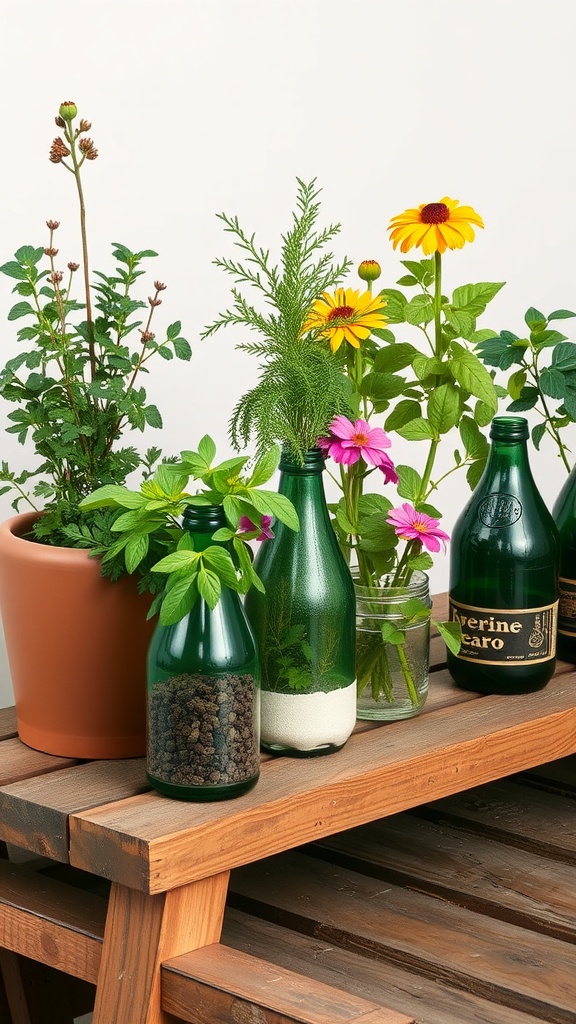
- Broken pottery and kitchenware turned into quirky plant pots.
- A faded ladder leaned against a fence transformed into a vertical garden.
- Painted rocks marked pathways and added splashes of color.
- DIY bird feeders and fairy doors we made with the kids brought personality and whimsy to the space.
Using recycled materials reduced waste and kept costs down. Plus, these little touches made the garden unique to us and gave the boys projects to enjoy. If you love crafts, this step is a total win since you can customize everything with paint or stencils, making it look fresh without spending much.
Starting your small garden with these ideas lets you build a beautiful, lively space on a tight budget. It’s all about smart choices, a bit of creativity, and a willingness to use what you have. With the right location, affordable plants, and some DIY magic, your garden can be both affordable and full of life.
Creative and Cost-Effective Garden Features That Bring Life
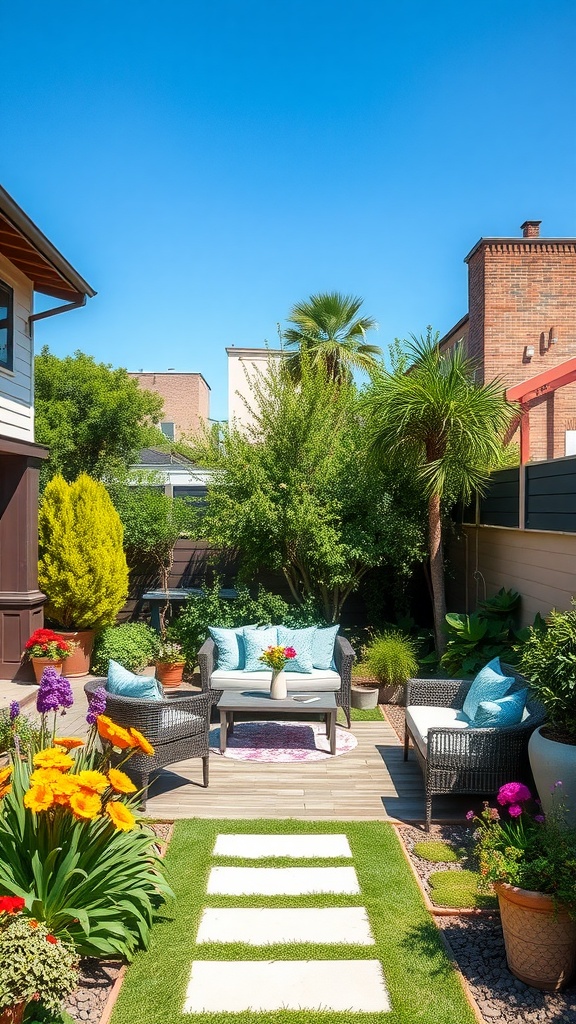
When working with cheap budget small garden ideas, adding features that make your garden feel alive and special is just as important as the plants you choose. For our family, that meant mixing in fun, useful, and wildlife-friendly touches without spending a fortune. These simple additions made our small yard pop and gave it personality. Let me share some of our favorite ways to breathe life into a garden while keeping costs low.
Raised Beds and Container Gardens with Recycled Materials
One of the easiest ways we added structure and charm was by building raised beds and container gardens from things we already had or found cheaply. Instead of buying expensive wooden frames, we used old pallets, discarded crates, and leftover bricks to create neat planting areas. These recycled materials were free or cost just a couple of dollars, and the project itself turned out to be super satisfying.
To build a raised bed, start by lining your chosen area with bricks, cinder blocks, or old wood scraps to form a rectangle or square. Then fill it with a mix of topsoil and compost. The containers don’t have to be perfect—our crates had gaps, but that actually helped with drainage. For containers, things like unused buckets, worn-out wheelbarrows, or broken plastic totes make quirky homes for herbs, lettuce, or flowers.
The best part? Seeing plants grow happily in what could have been trash feels like a small victory every day. Plus, these beds create a clear spot for gardening that keeps everything organized and lively, even in a tight space.
Incorporating Fun Elements for Kids
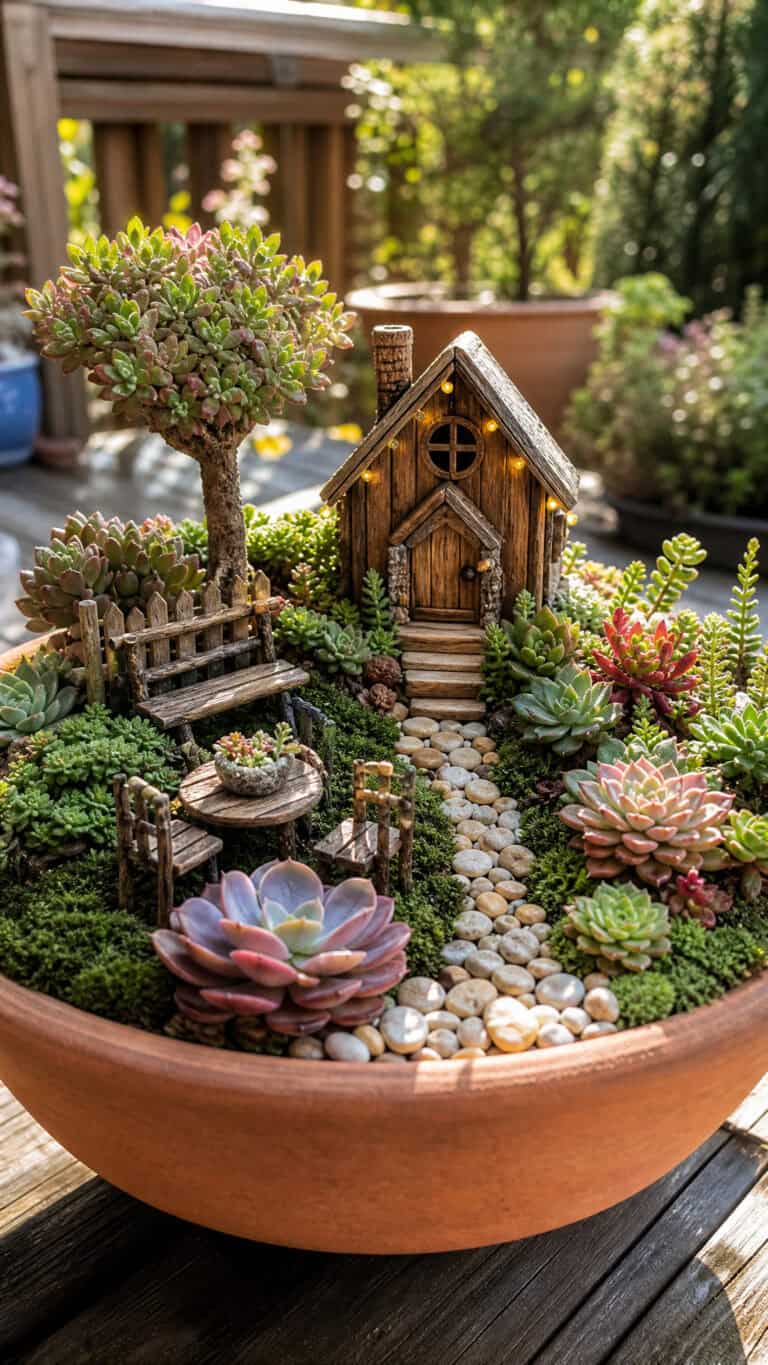
Gardening with kids means mixing in a little magic and playfulness to keep their interest alive. I found that adding fun and tiny play areas was always a highlight for my boys. A miniature fairy garden made with pebbles, small pots, and miniature figures became their secret hangout spot. No need to buy fairy kits; we gathered stuff from nature and thrift stores to build ours.
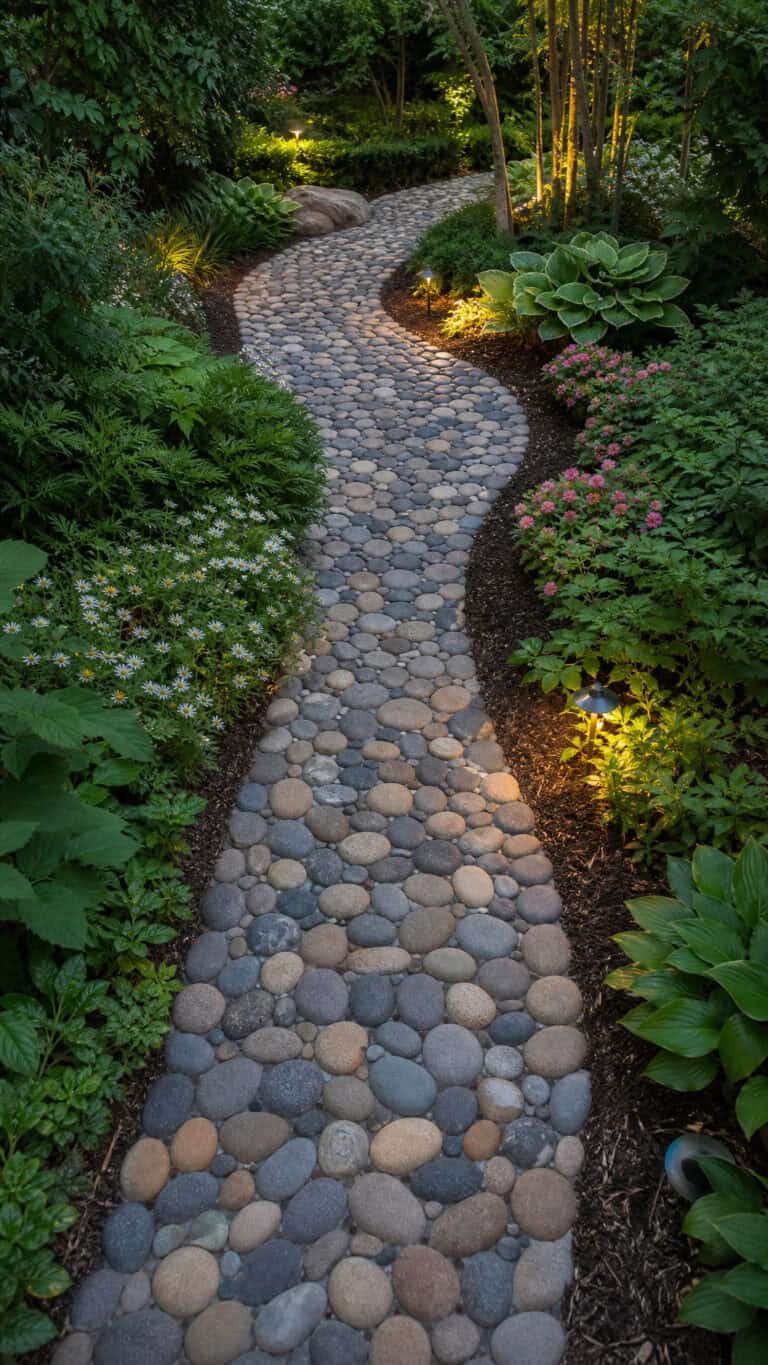
Sensory paths are another hit. We created paths made of different textures—smooth stones, soft moss patches, and wood chips—that invite little feet to explore. It’s simple and fun for kids to touch and feel all these things while wandering. A small DIY sandbox corner or a painted hopscotch on a corner of the patio adds even more joy to the space.
These playful touches keep children coming back to the garden because it feels like their own special world. It’s easy to add these without spending big but with lots of smiles in return!
Creating Wildlife-Friendly Spots
Bringing birds, bees, and butterflies into the garden adds movement and color that can’t be bought. We set up a few wildlife-friendly areas using only cheap or free materials. A shallow birdbath made from an old dish or a pie plate filled with water is a big hit with our feathered friends.
Planting flowers and herbs that attract pollinators was another smart move. Lavender, coneflowers, and marigolds are both pretty and budget-friendly. You don’t need a huge patch; even small pots filled with these plants make the space inviting to pollinators.
Set out scrap wood or small piles of leaves in a quiet corner for bugs and beneficial critters to hide and nest. Our boys love watching ladybugs and bees buzz around, which makes the garden feel alive in a whole new way.
These simple spots not only help wildlife but also teach kids about nature right outside the back door. It’s a charming way to add energy and life without spending much.
With these creative and cost-effective garden features, your small garden can feel lively and vibrant without a big budget. Raised beds with recycled materials, playful kid-friendly touches, and welcoming spots for wildlife made all the difference in our little yard—and they can for you too!
Smart Gardening Techniques to Maximize Growth in Small Spaces
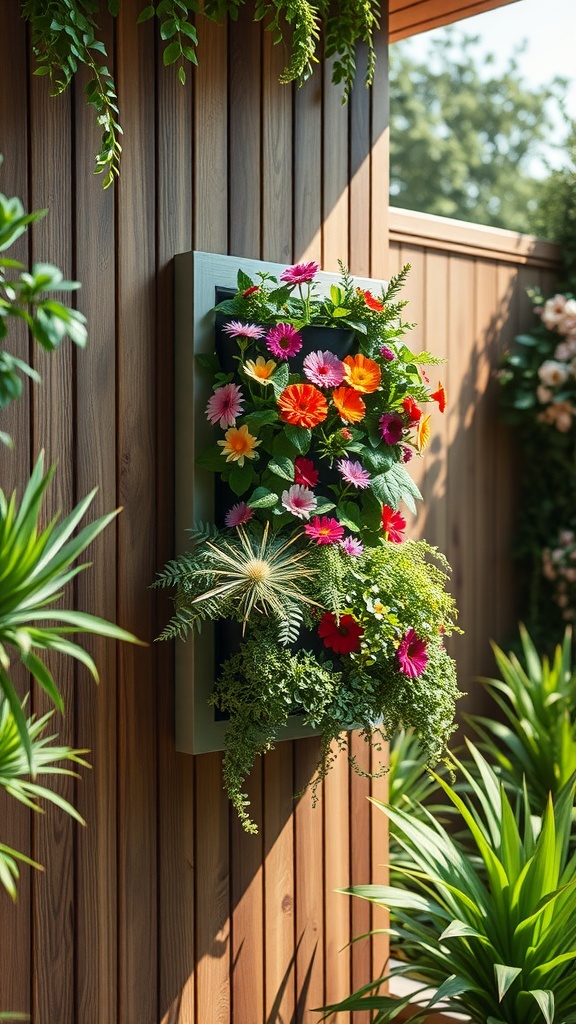
When you’re working with a small backyard and a tight budget, every inch counts. I found that using some smart gardening techniques helped me get the most from our little patch without spending more money. These ideas fit right into cheap budget small garden ideas because they save room, boost plant growth, and use resources wisely. Here’s how companion planting, vertical gardening, composting, and smart watering methods turned our small space into a thriving garden.
Companion Planting and Vertical Gardening
One of my favorite ways to make the most of a small garden is combining companion planting with vertical gardening. Companion planting means growing plants side by side that help each other grow better. Some plants work like buddies, deterring pests or improving soil naturally. For example, planting basil near tomatoes keeps bugs away and adds flavor to both.
By pairing the right plants, I got more food and flowers in the same spot without buying extra beds or pots. It’s like teamwork for plants!
Vertical gardening added a new dimension to our space. Instead of spreading out, I grew vines, peas, and strawberries on trellises and fences. I even used old ladders leaned against the wall to hold pots. This saved a lot of floor space and meant we could plant more without crowding. Plus, vertical gardens keep plants off the ground, which helped prevent some pests and made harvesting easier for busy hands.
This combo of companion planting and going vertical gave us bigger harvests and a garden that feels full and layered, not cramped. The best part? These tricks don’t cost extra. You can start with seeds or cuttings you already have and some simple supports from leftovers or dollar store finds.
Utilizing Compost and Natural Fertilizers
Good soil is everything, especially in a small garden where pots and raised beds don’t hold tons of nutrients. I started making our own compost at home, which turned out to be both handy and budget-friendly. It’s amazing how kitchen scraps and yard waste transform into rich, dark soil that plants love.
You don’t need a fancy compost bin. I used a simple container with a lid in a corner of the yard. Every day, scraps like fruit peels, eggshells, coffee grounds, and even shredded newspaper went in. Lawn clippings and dry leaves nearby added the “brown” stuff compost needs to break down properly. After a few weeks, I had compost material ready to mix back into the soil.
Using homemade compost helped reduce waste and kept us from buying expensive fertilizers. It improved soil texture and gave plants natural nutrients, which made a huge difference in growth. Plus, my boys loved checking on the compost pile, turning it with a stick, and watching scraps disappear—a little science lesson right outside our door!
You can also make natural fertilizers like compost tea by soaking compost in water for a day, then watering plants with it. It’s an easy way to boost nutrients without adding chemicals.
Efficient Watering Methods for Small Gardens
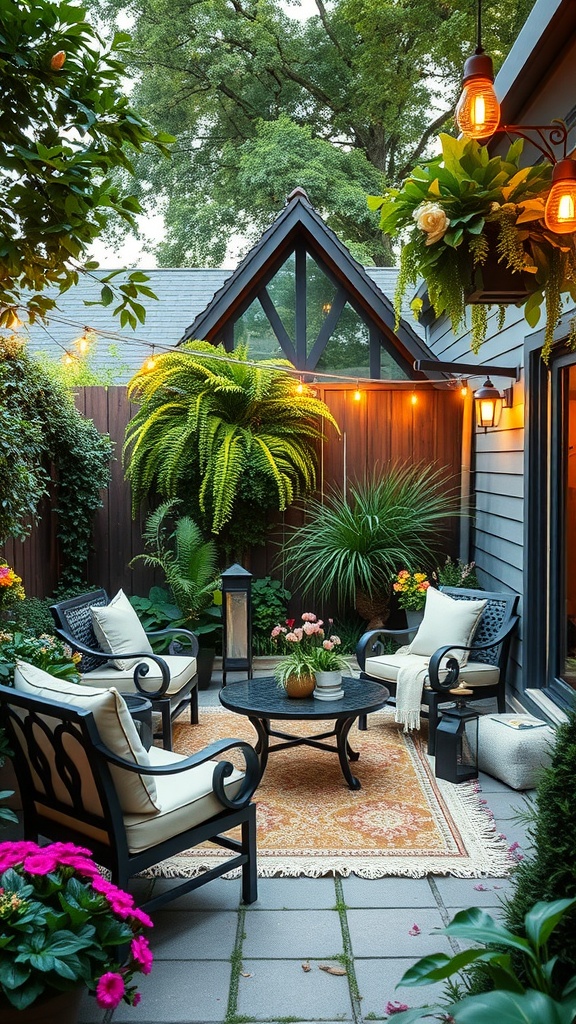
Watering feels like a never-ending chore, but I found cheap ways to do it smarter so we waste less water and money. One trick is rainwater harvesting. We set up a rain barrel to catch water from the gutter. When it rains, the barrel fills up, and we use that water to soak plants during dry spells. It’s both satisfying and gentle on the utility bill.
For daily watering, drip irrigation was a game-changer for our small space. Instead of spraying water everywhere, drip lines deliver water directly to each plant’s roots. You can buy simple drip kits online or make your own using recycled bottles poked with holes and placed near plant bases. This method saves water by cutting evaporation and stops runoff. It also keeps leaves dry, which reduces fungus problems.
Another easy tip is watering early in the morning or late in the afternoon to reduce evaporation. Mulch also helps hold moisture so plants don’t dry out as fast.
These watering methods work especially well in small gardens because they target the plants without wasting space or resources. They fit perfectly with cheap budget small garden ideas—you’ll spend little but keep your plants happy and hydrated.
Using these smart gardening tricks made a big difference for me. They helped maximize growth and gave our small garden life and health without adding costs. Companion planting, vertical growing, composting, and efficient watering turned a modest space into a green corner that’s brimming with life. I hope you find these ideas as fun and useful as I have!
Maintaining Your Garden Without Breaking the Bank
Keeping a garden lively and healthy doesn’t have to cost a fortune. In fact, with some simple habits and creative ideas, you can maintain a beautiful garden while sticking to a budget. When you have kids, garden upkeep can turn into a fun, family activity that teaches valuable lessons without adding stress or expense. Here’s how we keep our garden thriving using cheap budget small garden ideas that save money and bring everyone together.
Regular Upkeep Routines With Kids Involved
Making garden chores fun for kids is a win-win! When my boys help out, they feel involved and proud of the garden. We keep the tasks simple and playful so it doesn’t feel like a boring job.
Some ways to include the kids:
- Watering plants with small watering cans is always a favorite. It feels like a game, and they get practice with responsibility.
- Weeding together helps teach them about plants and why some need to be pulled out, but we turn it into a treasure hunt for bugs or cool stones.
- Deadheading flowers (removing old blooms) looks like an easy craft project and keeps the garden blooming longer.
- Sweeping paths or tidying corners gives them simple jobs they can finish fast.
We usually set a timer for 15-20 minutes and make it a family challenge to finish together. It’s a great way to build habits without getting overwhelmed. Plus, the kids learn that gardens need care to stay beautiful—and it doesn’t have to cost extra money.
DIY Pest Control and Natural Solutions
Pests can be a headache, but buying sprays and chemicals quickly adds up. Instead, I rely on safe, homemade solutions that are easy on the wallet and safe for little ones.
Here are some methods we use:
- Soap and water spray: Mixing a few drops of mild dish soap with water deters aphids and other soft-bodied pests. We spray this on affected leaves and see results fast.
- Neem oil: A natural extract you can find at garden centers or online, neem oil keeps many bugs away and is kid-friendly.
- Planting pest-repelling herbs: Basil, mint, and marigolds act as natural bug barriers. We grow these in small pots or borders.
- Encouraging beneficial insects: Ladybugs and lacewings eat pests! We avoid pesticides so they can thrive in our garden.
- Manual removal: Sometimes we just pick off slugs or caterpillars by hand. It’s a low-cost and effective solution.
These methods keep pests in check without harming the environment or your family. Kids even get a kick out of spotting bugs and learning which ones help or hurt plants. It turns pest control into a nature lesson instead of a chore.
Saving Seeds and Propagating Plants
I love the idea of growing more plants without spending more money. Saving seeds and propagating plants has been a creative way to do just that. It’s simple, satisfying, and stretches your garden’s reach.
Here’s how we save seeds:
- Wait for flowers or veggies to dry on the plant before harvesting seeds.
- Store seeds in labeled envelopes or containers in a dry, cool spot.
- Start new seedlings indoors or directly in the garden when the time is right.
Propagation methods we use include:
- Cuttings: Snip stems from herbs or houseplants, place them in water until roots form, then pot them in soil.
- Division: Split clumps of perennials or grasses and replant the pieces.
- Layering: Bury a stem of a low-growing plant in soil while it’s still attached to the parent; once roots grow, cut and transplant it.
By saving seeds and propagating, our garden grows year after year with minimal cost. It’s a lovely way to connect with nature and watch our garden expand from acts of care rather than buying new plants.
These simple, kid-friendly maintenance habits helped me save money while keeping our garden fresh and lively. Regular family routines, natural pest control, and plant propagation are cheap budget small garden ideas that actually bring garden life to the next level without stretching the budget. Gardening feels less like work and more like a joyful family project when everyone pitches in!
Personal Stories and Final Tips from a Busy Mom
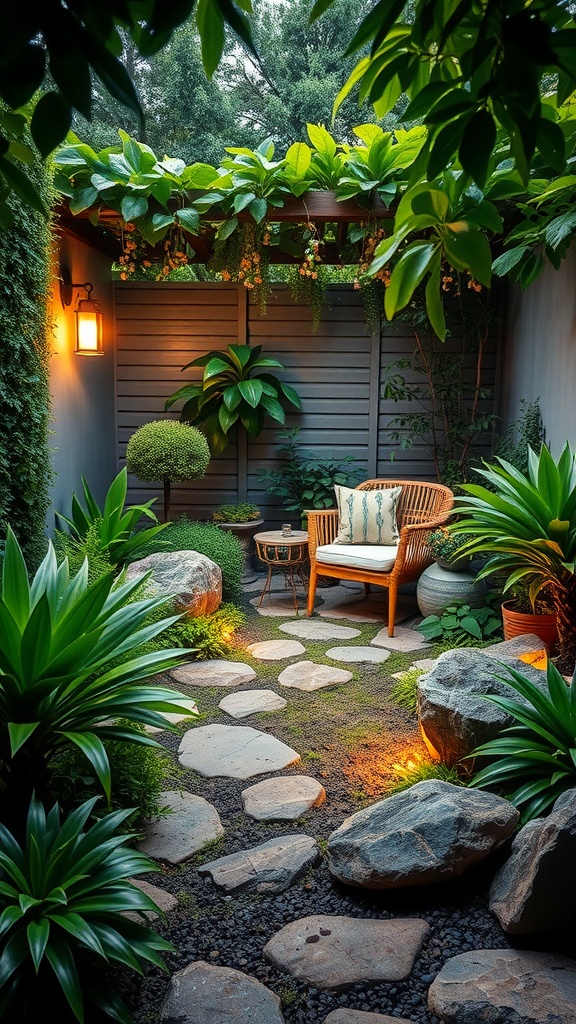
When you’re juggling three energetic boys and trying to create a beautiful garden on a tight budget, learning from your own successes and mistakes is the best way to move forward. I want to share a bit about what really worked for us and what I’d change if I had a do-over. Plus, I’ll offer some honest encouragement and practical advice for other moms thinking about starting their own small, budget-friendly garden. These cheap budget small garden ideas aren’t just about saving money—they’re about making space for joy, growth, and family memories.
What Worked Well and What I’d Do Differently
Looking back, here are the biggest wins and a couple of things I’d change if I started again:
- Planning with the kids in mind: Choosing plants and layouts that invite kids in made a huge difference. It wasn’t just about aesthetics; it was about creating a safe, playful space. Choosing soft plants without thorns kept everyone happy, and adding fun elements like painted rocks and little fairy doors sparked my boys’ imaginations. That’s worth every minute spent.
- Using recycled materials: Turning old pallets, crates, and even broken pots into planters saved me a ton. It gave our garden a quirky, personal touch without extra cost. Next time, I’d start that process earlier instead of buying some containers right away.
- Starting small and simple: At first, I was tempted to do too much at once. The garden felt overwhelming. When I slowed down and focused on one section at a time, the project became manageable and fun. I’d remind myself next time to pace the work better.
- Soil prep matters: Buying good soil mix and compost was worth the small splurge. Plants grew healthier and stronger. If I had to change one thing, I’d begin composting earlier to build my own soil mix from the start.
- Watering setup: Setting up a rain barrel and DIY drip irrigation saved time and water. A small investment that paid off quickly. I wish I’d set those up before planting to make daily care easier from day one.
Mistakes are part of the process! If you’d avoid a common one, don’t rush planting before preparing the soil well. Also, expect plants to need a little extra care at the beginning, especially if you’re new to gardening. Patience goes a long way, and so does asking for help from fellow moms or neighbors.
Encouraging Other Moms to Start Their Gardens
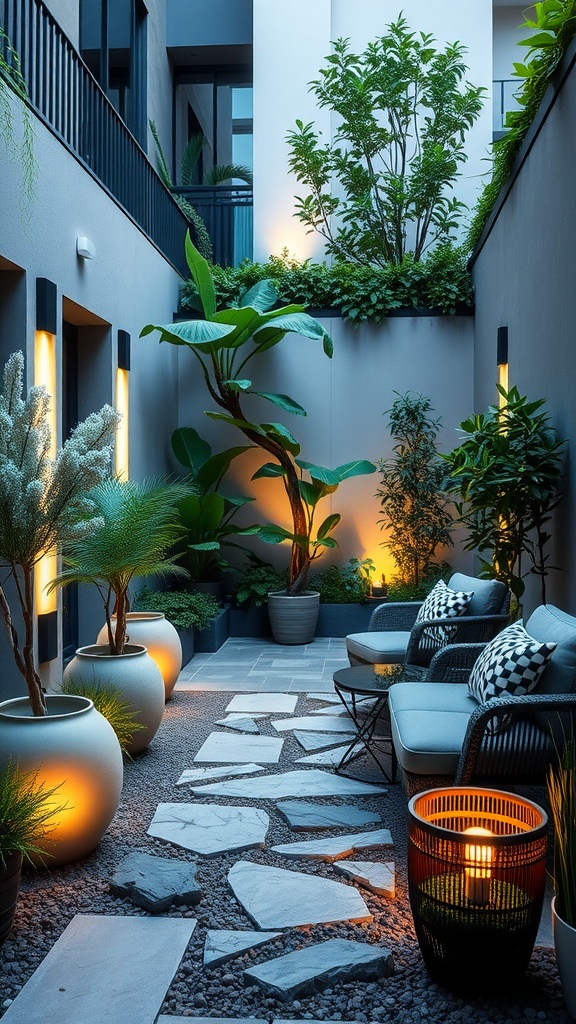
If you’re thinking about starting your own small garden, let me say: go for it! Never mind if you’re busy or if you feel like you don’t have a green thumb. Cheap budget small garden ideas work because they are simple, flexible, and friendly to your family’s pace.
Here are a few tips to get you moving:
- Start with what excites you most. Maybe that’s a vibrant flower bed, a few pots of herbs, or a veggie patch for the kids to grow their own snacks. Focusing on what you love helps keep the momentum going.
- Use what you have. Look around your house and neighborhood for containers, wood scraps, or old toys that can double as planters or garden decorations. I promise, these little touches bring personality and cost almost nothing.
- Make the garden a family project. Kids love helping when it feels like a game or adventure. Watering, digging, or decorating can be quick and fun activities you all look forward to.
- Don’t wait for perfect conditions. Gardens don’t need to be large or fancy to bring joy and memories. Even a few pots on a balcony count!
- Lean on community resources. Local gardening groups, online forums, or community gardens can offer advice, seeds, and sometimes free plants. Sharing your journey makes the process less lonely and more rewarding.
The best part about starting a garden is how it grows with your family. It’s a place for small victories, fresh air, and learning together. So grab some seeds, some cheap soil, and a little hope—it’s easier than you think, and the payoff is unforgettable!
Conclusion
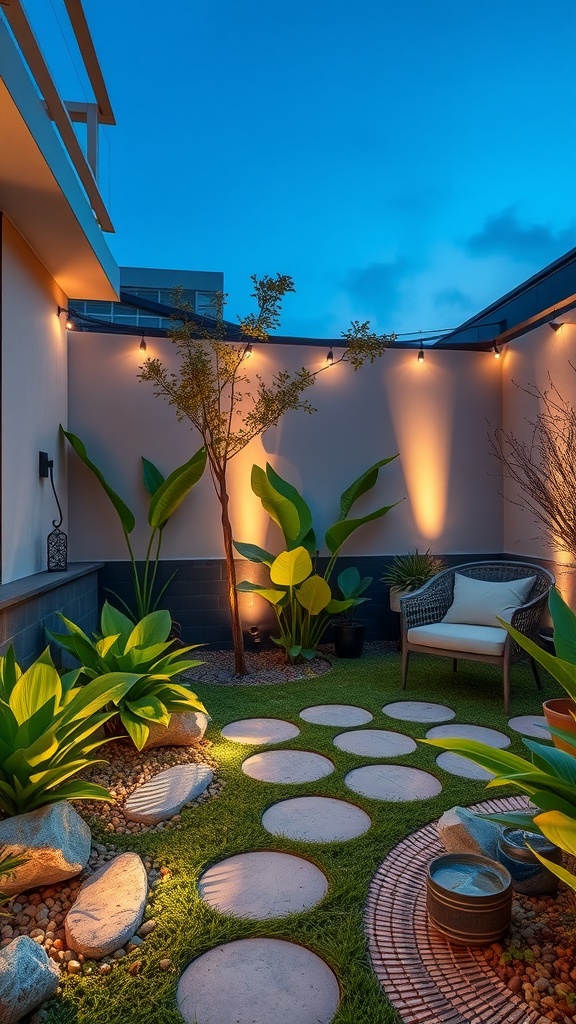
Our journey with cheap budget small garden ideas turned a tiny, plain yard into a lively, joyful spot for the whole family. Using simple plants, recycled materials, and a few playful touches made the space feel warm and welcoming without a big expense. Getting the kids involved added extra fun and made the garden a true family project.
If you’re thinking about starting your own small garden, trust me—it doesn’t take much to get going. Pick a sunny corner, gather what you have at home, and put in a little love each day. The rewards are sweet: fresh air, happy kids, and a backyard full of life.
I’m so glad you stopped by to read about what worked for us. Now it’s your turn to create a garden that feels like home. What simple change will you start with today?
This post may contain affiliate links. Read the full disclosure here.