As a mom of three boys, trust me, I know how chaotic life can get! Between soccer practice, school projects, and trying to manage everything else, I don’t have time for fussy, high-maintenance gardens. That’s why I absolutely love succulent rock garden designs!
We started small with a rock border around the house foundation, and it totally framed everything in.
Rock and mulch landscaping kept it low-maintenance — which this mama of three definitely appreciates!
They’re not just beautiful… they’re tough, low-maintenance, and perfect for those of us who want something that can thrive even when life feels like a whirlwind.
Whether you’ve got harsh winters, scorching summers, or just a busy schedule, these gardens effortlessly combine charm and resilience!
To pull it all together, we sprinkled in budget-friendly small garden ideas that didn’t feel budget-y at all!
Start you succulent rock garden TODAY by checking out this 30 pack set of live assorted succulent plants!
Plus, let’s be honest, anything that looks amazing and doesn’t require constant attention is a win in my book!
Why Choose a Succulent Rock Garden?
When I first started looking into gardening ideas that matched my chaotic schedule, I wanted something that could handle being ignored for days—or let’s be honest—weeks at a time. That’s when I discovered succulent rock garden designs, and let me tell you, they’re a mom’s dream! They look gorgeous, handle tough conditions like pros, and require so little effort that even during the busiest weeks, they still thrive. Whether you’re wrangling kids, work, or just need a break from high-maintenance plants, these gardens are a total game-changer. Let’s dive into the big reasons why they’re so perfect.
Low Maintenance Appeal
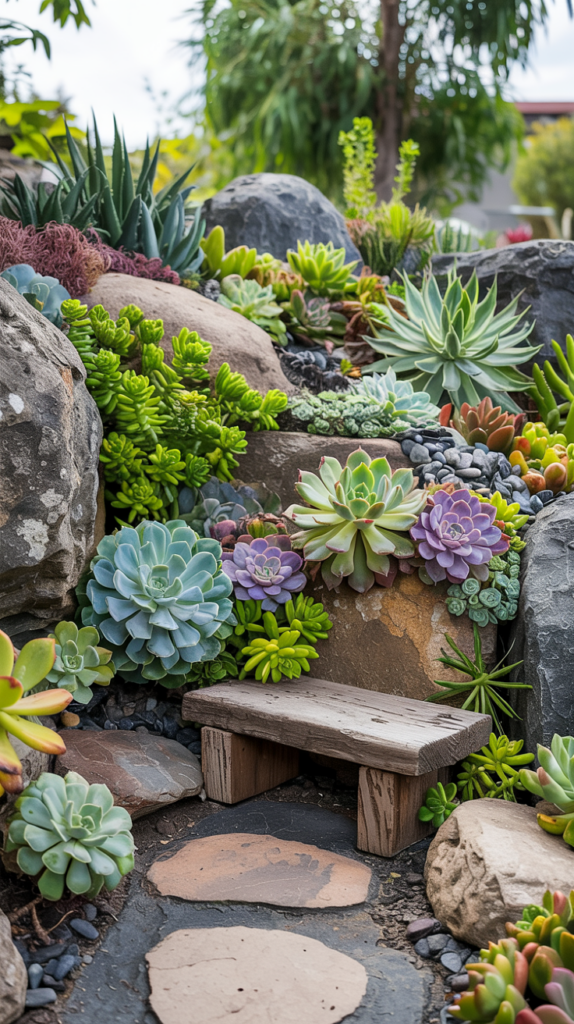
Let’s be real: as moms, we have enough on our plates without adding a needy garden to the mix. That’s what makes succulent rock gardens such a genius idea. Succulents are built to survive, so even if I forget to water or tend to them while I’m busy packing lunches or driving kids to practice, they’re totally fine. No wilting. No drama.
These plants store water in their leaves, so they basically take care of themselves—and I’m all about that kind of independence! Unlike other gardens that might have you constantly pulling weeds and fertilizing, succulent rock gardens practically stay in check on their own. Plus, the rocks act as natural barriers to weeds, which means less hassle for me.
If you’re like me—juggling chaotic schedules, messy kitchens, and never-ending laundry—trust me, you’ll appreciate having something beautiful in your yard that doesn’t demand constant attention.
Perfect for Challenging Conditions
Live somewhere with poor soil, hot summers, or dry weather? Same here! My yard felt like nothing could survive in it until I discovered succulents. They’re honestly the superheroes of the plant world—they don’t just survive harsh conditions; they thrive.
Succulents love things like sandy or rocky soil, which is great if you don’t have nutrient-rich dirt. And get this: they’re drought-tolerant, so if you forget to water (like I sometimes do!) or it doesn’t rain for weeks, they’ll still look amazing. They’re also surprisingly resistant to temperature changes. Whether I’m battling record-breaking heat waves or unexpected cold snaps, my succulent rock garden doesn’t flinch. It’s totally idiot-proof, which is exactly what I need as a busy mom trying to keep a houseful of boys fed and somewhat clean.
Seriously, if you’ve ever tried to grow more delicate plants and felt defeated, succulents are a breath of fresh air. They make gardening feel doable again, even in the toughest conditions.
Aesthetic Versatility for Any Yard
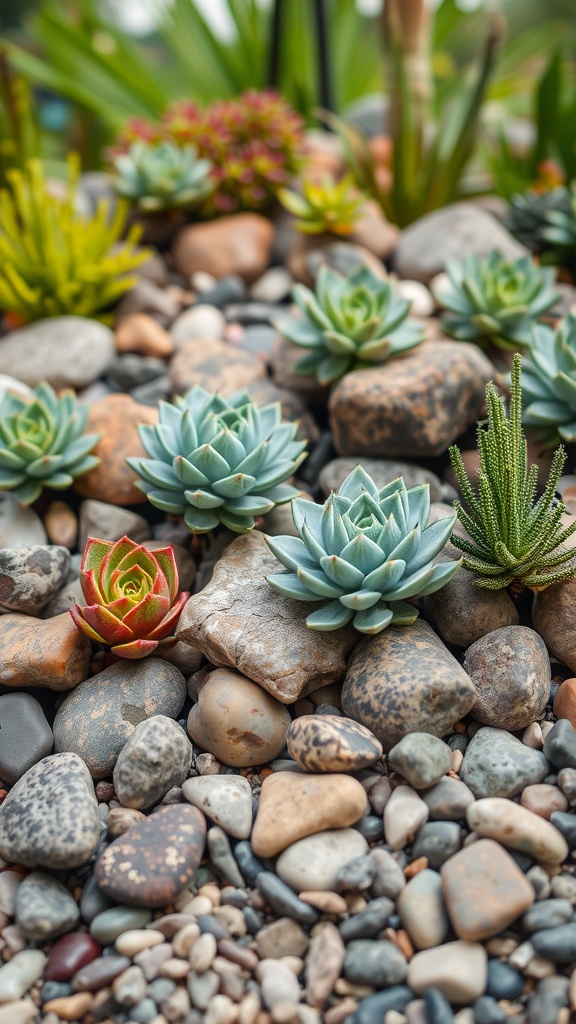
When it comes to looks, succulent rock gardens are the definition of “anything goes.” You can make them as simple or as fancy as you want, and that’s one of my favorite things about them. My yard is more casual because, let’s face it, I have little kids running around, so I went for a rustic vibe with mismatched stones and clusters of colorful succulents. But if modern is more your style, you can create sleek, geometric patterns with rocks and use monochromatic succulents for a minimal look.
Some people add driftwood, decorative pebbles, or even small statues to make their succulent garden pop. It’s basically like decorating but outside—and so much fun. Plus, these gardens work in both small or large spaces. Whether you have a tiny corner that needs some love or a sprawling backyard craving personality, you can design a rock garden that fits perfectly.
I have mine near the front of the house, and it makes the cutest first impression! Every time someone visits, they comment on how unique and put-together it looks. It’s such an easy way to boost curb appeal without going overboard or spending hours maintaining it.
It’s no wonder more people are hopping on the succulent rock garden trend. They’re customizable, low-stress, and work just about anywhere. Honestly, this one small change to my yard has made a big difference—not just in how it looks, but in giving me one less thing to stress about. And in a house full of soccer cleats, action figures, and snack crumbs, that’s a win I’ll take!
Essential Steps to Create a Thriving Succulent Rock Garden
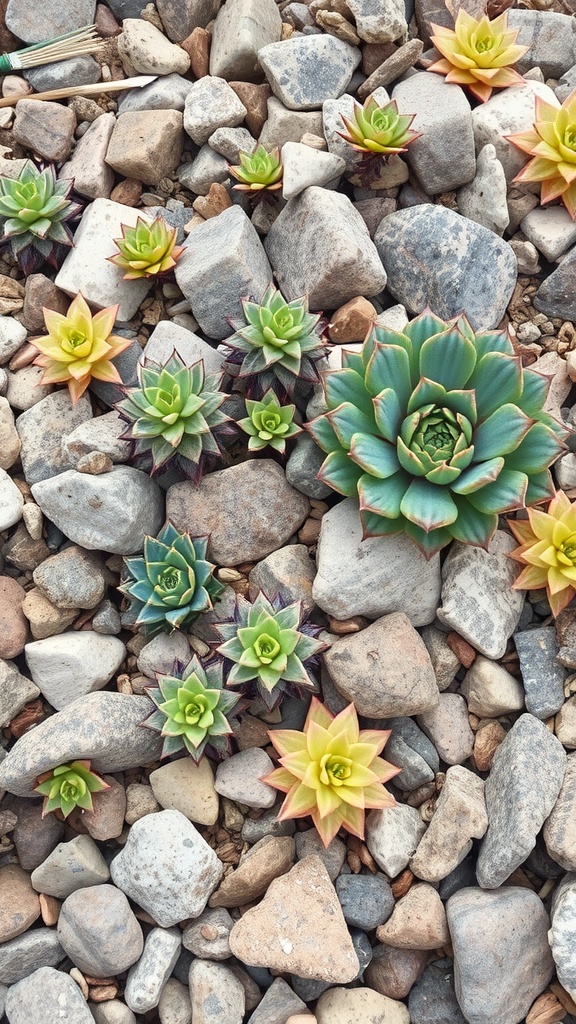
Creating a succulent rock garden design that can withstand tough conditions isn’t as intimidating as it might sound. Honestly, once I got the basics down, it turned into one of my favorite projects! With a little planning and a few simple steps, you’ll be able to design a garden that’s not just stunning but practically takes care of itself. Let’s walk through the essentials to make sure your garden thrives, no matter what nature or your busy schedule throws at it.
Selecting the Perfect Spot
The first step is choosing the right location because succulents can be a bit picky about where they live. You’ll want a spot with plenty of sunlight since most succulents are sun lovers. They need about six to eight hours of light daily, so think about a sunny corner in your yard or even a cozy space near a south-facing wall. If you live somewhere super hot, though, providing a bit of afternoon shade can prevent their leaves from scorching. It’s all about balance!
Drainage is another dealbreaker. Succulents hate sitting in soggy soil (seriously, it’s like a death sentence for them). So, avoid areas in your yard where water tends to pool after rain. If you’re stuck with less-than-ideal spots, don’t worry! You can create better drainage by adding a raised bed or slightly sloping the area. It’s like giving them their own VIP section where they can avoid any water drama.
Soil Preparation and Drainage
If there’s one thing I’ve learned about succulent gardens, it’s this: the right soil makes all the difference. Regular garden soil just won’t cut it here because it holds too much water. I like to use a well-draining mix specifically made for succulents or cacti. You can usually find it at garden centers, but if you’re feeling crafty, you can make your own. Mix regular potting soil with sand or perlite (about 2 parts soil to 1 part sand or perlite) to keep things nice and airy.
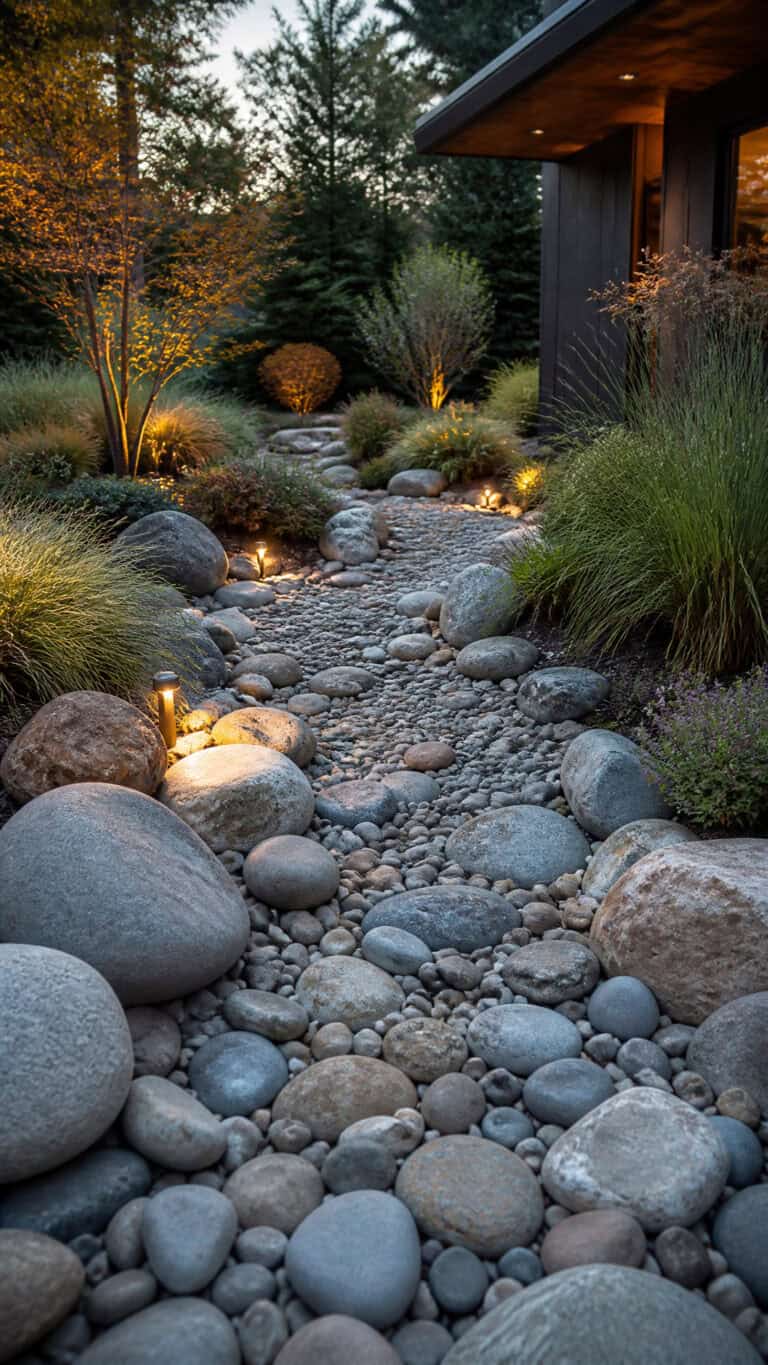
Now, let’s talk about rocks. Aside from adding some serious charm, they play a practical role in improving drainage. Larger rocks at the bottom of your garden bed or scattered throughout help water flow away from the roots. Plus, they give the soil some structure, which keeps it from compacting over time. Think of the rocks as the backbone of your garden!
Finally, when you’re setting everything up, don’t forget to slightly mound the soil in a few areas. Creating some height not only looks dynamic but also helps prevent water from pooling near the plants. Trust me, a little prep upfront saves you from a lot of dead plants later.
Designing Your Layout
This is where the fun really begins! Designing a succulent rock garden is a bit like setting up a puzzle, but there are no wrong answers. I like to start by playing around with different rock sizes to create layers and depth. Larger rocks can act as anchors or focal points, while smaller ones can be used to fill in gaps and create texture. Just scatter them naturally—nothing should look too perfect because nature isn’t perfect, right?
When it comes to arranging the plants, grouping them is key. Clusters of succulents tend to look more cohesive and make a bigger impact visually. Try combining ones with similar water needs, so they all thrive together. Another tip? Place taller succulents like aloe or agave toward the back or center and smaller ones like hens and chicks along the edges. It’s kind of like making a tiered cake—layered and eye-catching!
Don’t forget to leave little open spaces between the rocks and plants where gravel or smaller stones can peek through. This creates a natural, finished look that screams, “professional gardener,” even if you’re just winging it (like I often am!).
Choosing the Right Succulents
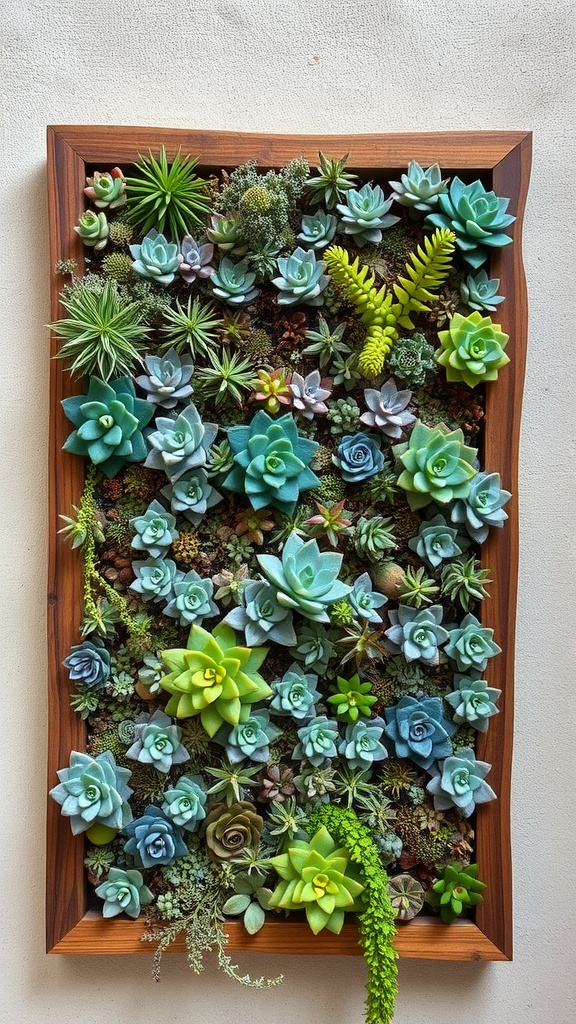
Picking the best succulents might be my favorite part of this whole process because there are so many gorgeous options. The trick is selecting varieties that suit your climate and complement each other. If you live somewhere hot and dry, look for hardy types like echeverias, jade plants, or sedums. These are like the overachievers of the succulent world—they can take the heat and still look fabulous.
For those in cooler climates, sempervivums (a.k.a. hens and chicks) and sedums are lifesavers. They’re tough as nails and can handle frost better than most. You can also play around with colors and textures to keep things interesting. For example, pair the rosette shapes of echeverias with the trailing tendrils of string of pearls for a dynamic draped effect.
I also recommend thinking about how the plants will grow together over time. Some succulents stay compact, while others spread out or grow tall. Mixing up growth habits makes your garden feel full and layered without getting too crowded. And here’s a little bonus tip: choose at least a few varieties with contrasting colors—like deep greens, silvery blues, and pops of pink or purple. These create a visually striking garden that you’ll love showing off (and probably snapping a few pics of for Instagram!).
By paying attention to where you plant, how you prepare your soil, and which succulents you pair together, you’re setting the stage for a garden that’s as easy to care for as it is to admire. There’s something so satisfying about looking out at a yard full of thriving plants that practically take care of themselves… It’s like winning the gardening lottery!
Creative Design Ideas for Your Succulent Rock Garden
A succulent rock garden isn’t just a stunning addition for tough conditions—it can also be a creative outlet that brings the whole family together! Whether you want something playful for the kids, visually dynamic for your yard, or colorful throughout the year, there are so many ways to personalize your garden. The best part? It doesn’t have to be complicated! Let’s explore a few ideas to take your garden to the next level.
Incorporating Fun for the Family
If you’re like me, you’re always trying to find ways to get the kids outside and away from screens (even if it’s just for 20 minutes). Your succulent rock garden can double as a fun family project!
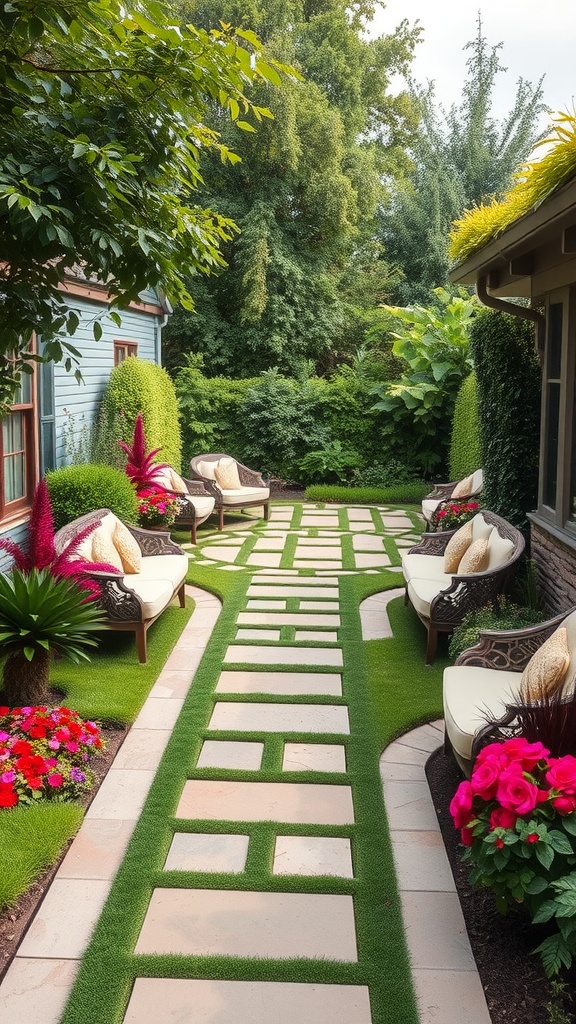
One of my kids’ favorite things is designing paths with stepping stones. You can pick up simple ones at a home improvement store or go all out and make your own. We’ve painted ours with bright colors and handprints, creating a path through the garden that’s totally unique to our family. It’s like leaving little pieces of their creativity right in the yard!
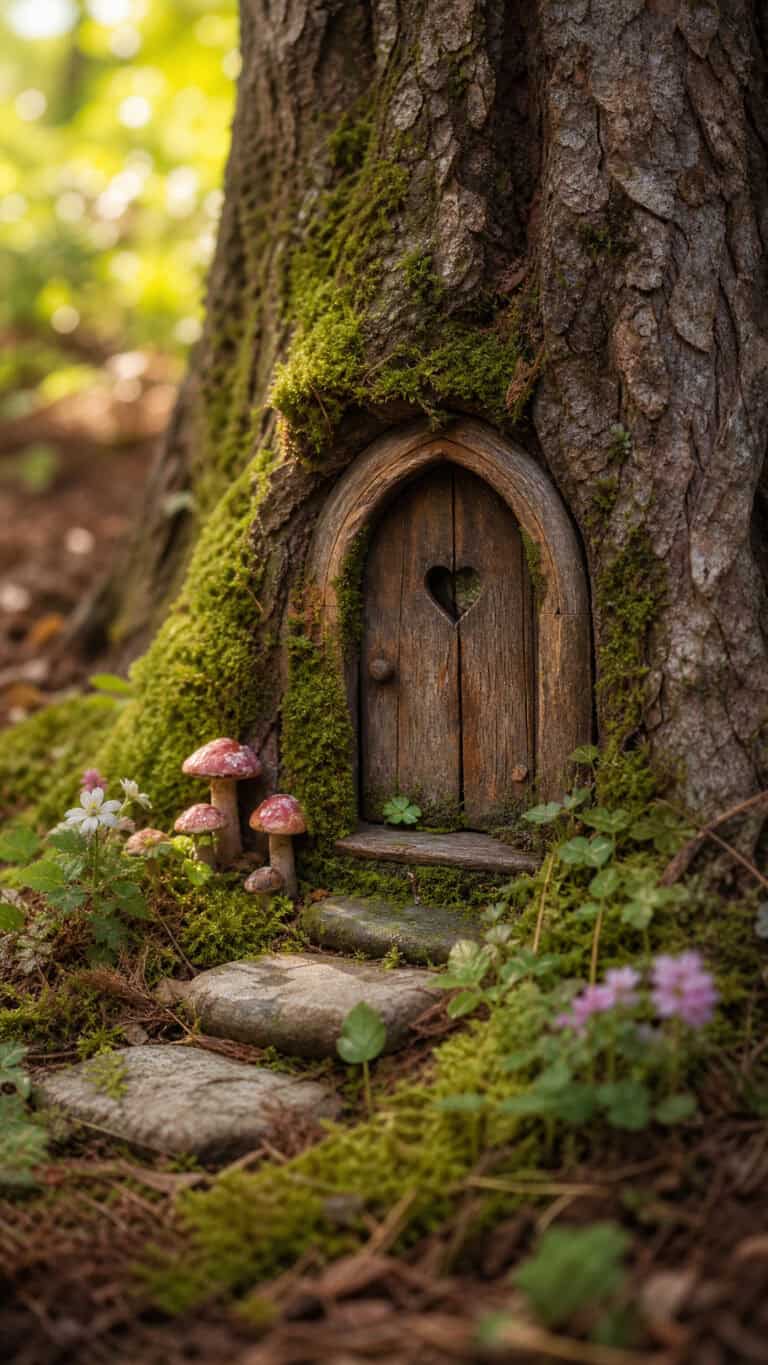
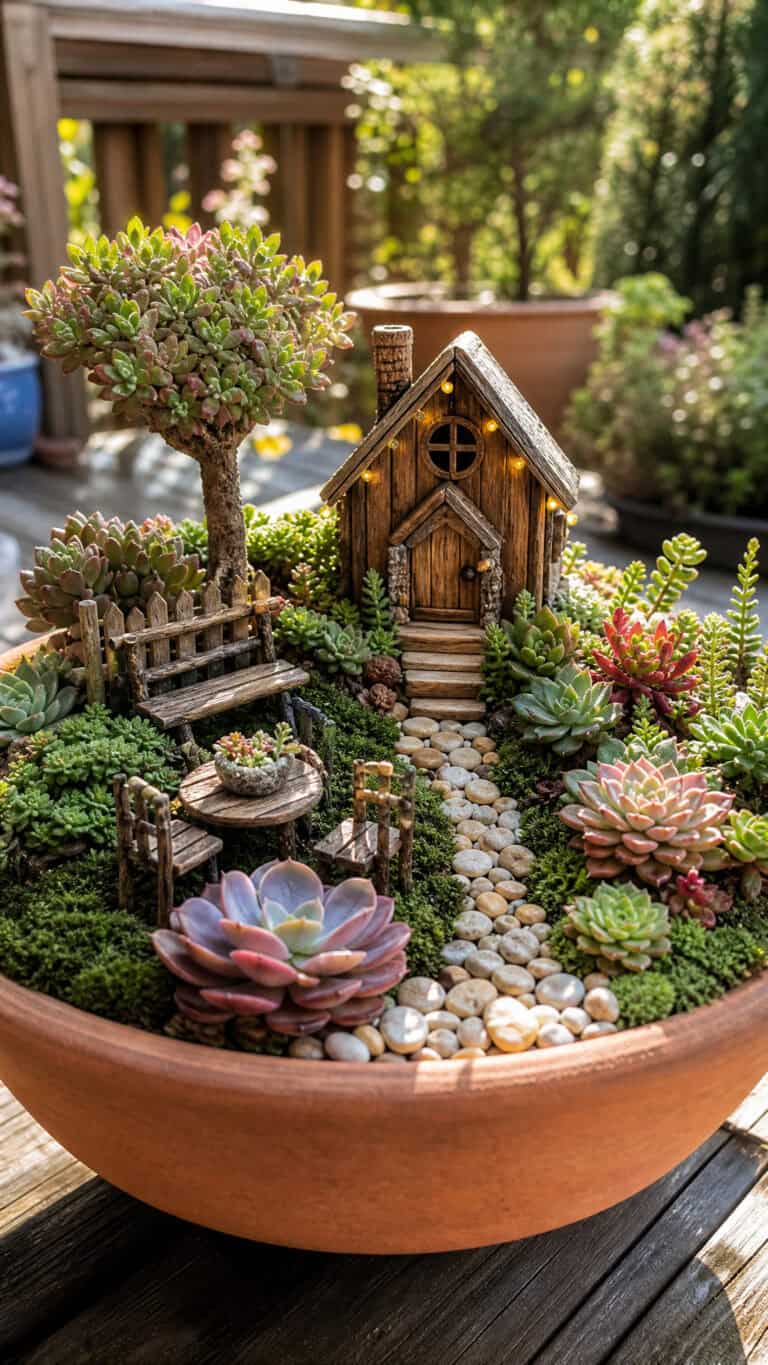
Another idea is to turn part of the garden into a miniature fairy garden. Seriously, kids love this. You can add tiny doors to larger rocks, little houses, and even some miniature figures. Think of it as a whimsical wonderland hiding among your succulents. My boys aren’t exactly into fairies (unless they’re ninja fairies…), so we created a tiny dinosaur garden instead. Same idea, just with plastic dinos prowling through the plants.
Even letting the kids help arrange some of the rocks or choose succulents makes them feel like they’re part of the process. Plus, once it’s done, they’re so proud to show it off to anyone who visits!
Adding Height and Dimension

If your succulent rock garden feels a little flat, adding levels and layers can completely transform it! Height creates a natural flow, and it doesn’t take much to make your garden visually interesting.
One easy option is to incorporate boulders—or even just large rocks—among the succulents. These instantly give the layout some structure. I like to cluster smaller plants around a big rock centerpiece… It’s an easy way to draw the eye to specific areas.
If you want to get fancier, you could go for a tiered design. This works especially well if your garden is on a sloped area. By creating small terraces with rocks or retaining walls, you get that wow factor while also helping with drainage (bonus points!). For a flat yard, use elevated planters or a raised bed to mimic that same tiered effect. I’ve even used an old birdbath—filled with soil and succulents—for a cute, elevated feature.
Vertical gardens are another great way to add height. You can use a wooden pallet, build a frame, or buy a ready-made vertical planter to mount succulents. Tall plants like agave, aloe, or even a towering cactus can also help give that layered look. Think of it as “decorating up” instead of out!
Seasonal Elements and Colors
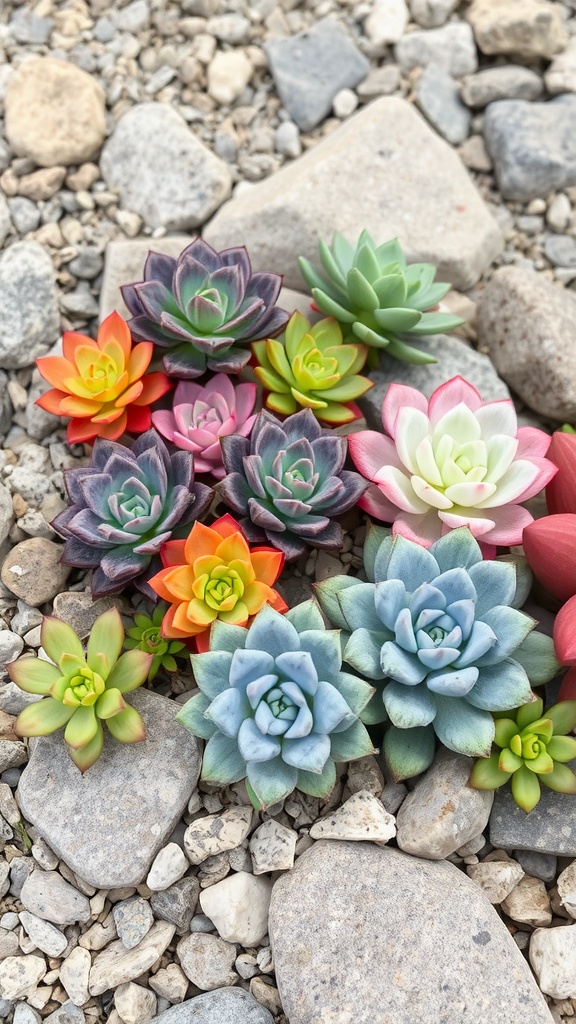
Succulent rock gardens are already pretty magical, but adding splashes of color or a hint of seasonality can make them even better!
Start by choosing succulents with varying shades. A mix of deep greens, silvery blues, soft purples, and pops of pink adds visual interest year-round. I like to mix in varieties like Echeveria ‘Lola’ for its blush tones or Sedum ‘Blue Spruce,’ which stays a gorgeous frosty blue.
Now, if you want your garden to reflect the seasons, swap or supplement with seasonal blooms. Some succulents flower during specific times of the year, like the bright blooms of Kalanchoe in spring and summer. These little bursts of color feel like nature’s version of throwing confetti.
For fall, consider adding succulents with warm hues, like reddish-orange Sedum ‘Autumn Joy’ or copper-colored Aloe cameronii. Who says your garden can’t match pumpkin spice season? And in colder months, aim for varieties that maintain rich greens or frosted edges. Hens and chicks, for example, look stunning even after frost hits, and they’re crazy resilient.
If you’re feeling extra festive, sprinkle in a few decorative elements for the holidays. A scattering of small pumpkins in October or some twinkle lights around the garden in December can totally change the vibe. The idea is to let your garden evolve just like the seasons—keeping things fresh and fun all year long!
When it comes to succulent rock garden designs, the possibilities are endless. Whether it’s finding ways to involve the family, creating multi-dimensional layouts, or playing with colors and blooms, you’ll end up with a garden that’s both personal and eye-catching.
Caring for Your Succulent Rock Garden Year-Round
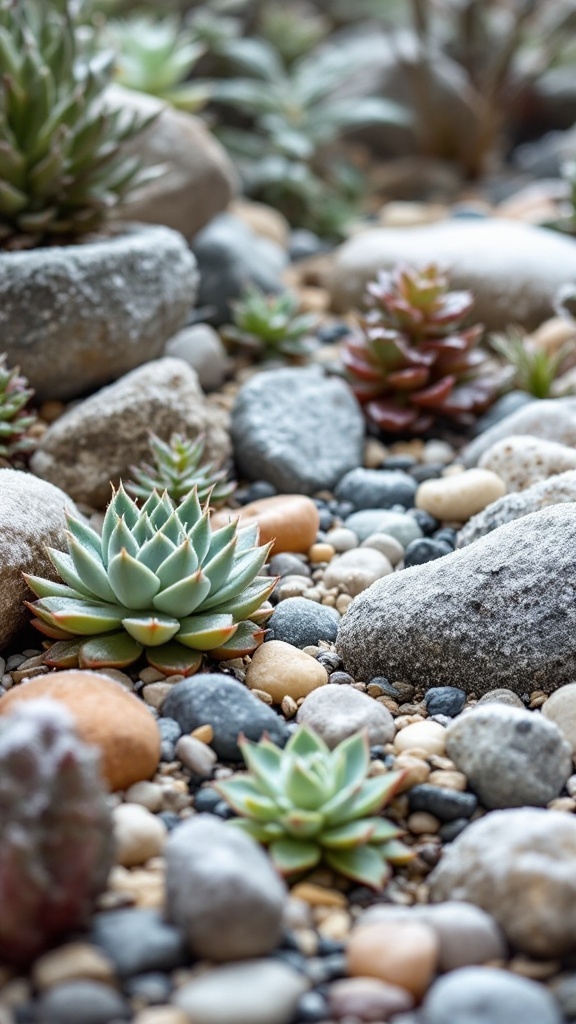
Once you’ve set up a beautiful succulent rock garden design—and trust me, it will be beautiful—it’s important to know how to care for it as the seasons change. The good news? It’s not nearly as overwhelming as other types of gardening. Succulents are like those magically low-maintenance friends who always seem to have it together. But, like anything, they still need a little TLC to really thrive. Let me share some practical, year-round tips to help you keep your garden looking its best and handling even the toughest conditions with ease.
Watering Tips
Let’s start with something I learned the hard way: succulents do not like to be overwatered. If you think they look thirsty, they’re probably fine! These tough little plants store water in their leaves—which makes them perfect for forgetful gardeners like me. The key here is less is more. Overwatering can lead to root rot faster than you’d hope (I’ve been there, digging up sad mushy plants!).
So, how do you know when to water? For an outdoor rock garden, a good rule of thumb is to wait until the soil feels completely dry. I usually test it by sticking my finger about an inch into the dirt around the plants. If it’s dry as a bone, it’s time to bring out the watering can. If there’s any moisture, skip it.
During warmer months, this might mean watering once every two weeks or so, depending on how hot and dry things get. In the cooler seasons, cut back even more… sometimes I go a whole month without watering! And when it rains? Nature has your back. Just let the rain handle it, as long as your garden has proper drainage.
Here’s a simple trick: water deeply but less often. Instead of sprinkling water on the surface, give your succulents a good soak so the roots get what they need. Then let them dry out completely before watering again.
Handling Growth and Pruning
One of the things I love most about succulents is how they grow and change. But sometimes, they can get a little overzealous—kind of like my boys when snacks are involved! Succulents tend to spread, stretch, or grow in ways you didn’t anticipate, so keeping them in check is important to maintain that neat, balanced look.
If you notice your plants starting to outgrow their space, don’t panic. Pruning is super easy. All you need is a clean, sharp pair of scissors or garden shears. Just snip off any tall, leggy stems or remove leaves that look withered or damaged. This not only tidies things up but also encourages fresh, healthy growth. If you’re trimming something like a sedum or jade plant, save a few of those cuttings—seriously, they make for easy new plants! Just let the cut end dry out for a day or two, then pop it into soil. It’s like gardening magic.
Also, if you start to notice gaps in your garden where things might have spread unevenly, don’t be afraid to rearrange or add new plants. I promise it’s not cheating! Succulent rock gardens are flexible like that. Unlike more rigid gardens, you can move things around anytime to refresh the look or balance out the design.
Protecting Your Garden in Extreme Weather
While succulents are hardy, even they need a little help when the weather gets extreme… And as a mom of three, I totally understand how wild weather can mess with the best plans!
In cold weather, frost is the biggest concern. Most succulents aren’t big fans of icy mornings, so if you know temperatures will dip near freezing, take action. For smaller rock gardens, you can toss a breathable frost cloth or even an old sheet over the plants overnight. If your garden is larger, focus on shielding the most vulnerable ones—like aloe or echeverias—and consider covering the others with mulch or gravel to insulate the roots.
For potted succulents in your rock garden, consider bringing them indoors or to a covered space like a porch when things get chilly. I’ve been known to line my kitchen windowsill with pots for the winter… My kids call it “plant jail,” but hey, it works!
Now, if you’re dealing with blazing summer heat—like we do here most years—you’ll need to keep your plants from getting sunburned (yes, succulents can burn too). Watch for signs like browning or crispy leaves and, if needed, provide some afternoon shade. A simple shade cloth or strategically placed umbrella can work wonders. And remember, even though they’re drought-tolerant, extreme heat might mean you need to give a bit more water than usual so the plants don’t stress.
What about heavy rains? The good news is the rocks in your garden already help a ton with drainage, but if you’re in an area that gets pounded by storms, you may want to raise your garden bed a bit or add extra gravel to keep water from pooling. Also, double-check for low spots where water might stagnate after a heavy downpour. That’s where succulents might struggle the most.
With these simple tips, caring for your succulent rock garden designs year-round doesn’t have to feel like a chore. It’s all about finding what works for your plants and your climate. Once you’ve got the hang of it, you’ll see how easy it can be to keep your garden looking amazing, no matter what the seasons throw at you!
Conclusion
Creating succulent rock garden designs has truly been a joyful journey for my family and me! These gardens not only bring beauty to our outdoor space but also allow us to connect through creativity and teamwork. With their low-maintenance nature and ability to thrive even in tough conditions, they’ve given me peace of mind amidst the chaos of motherhood.
Whether you’re a busy mom like me or just looking to spruce up your yard, I encourage you to dive into this delightful project. You’ll love how easy it is to customize and enjoy, plus the satisfaction of knowing you’re nurturing something special with your family. So grab those succulents and let’s get planting! What design ideas are you excited to try out in your own garden?
This post may contain affiliate links. Read the full disclosure here.